
Kredi Kartı Ekstresini Aylık Minimum Ödeme Tutarının Ötesinde Nasıl Okuyabilirsiniz?
Sizin anlayışınız Credit Card Statement thoroughly each month is one of the most powerful financial habits you can cultivate to build real wealth and avoid compounding debt.
Anúncios
Most cardholders simply scan the total balance, look at the minimum payment due, and settle that single baseline figure without giving the rest of the document a second thought.
However, relying solely on that minimum payment trigger opens the door to compound interest traps, hidden administrative fees, and unmonitored billing inaccuracies that bleed your bank account over time.
Deciphering every line item transforms a monthly bill from a stress-inducing obligation into a strategic roadmap for your personal finances.
Key Guide Overview
Anúncios
- Decoding Core Statement Sections: Understanding account summaries, statement closing dates, and grace period mechanics.
- The True Cost of Minimum Payments: How compound interest charges silently multiply your principal balance over decades.
- Spotting Hidden Charges and Inaccuracies: Strategies for auditing statement transactions, APR shifts, and reporting errors.
- Statement Audit Framework: A structured breakdown comparing billing elements, grace impact, and debt outcomes.
- Actionable Credit Mastery: Practical steps to automate payments, optimize utilization, and protect your credit score.
Why Is Reading Your Account Summary the Ultimate Defense Against Silent Debt?
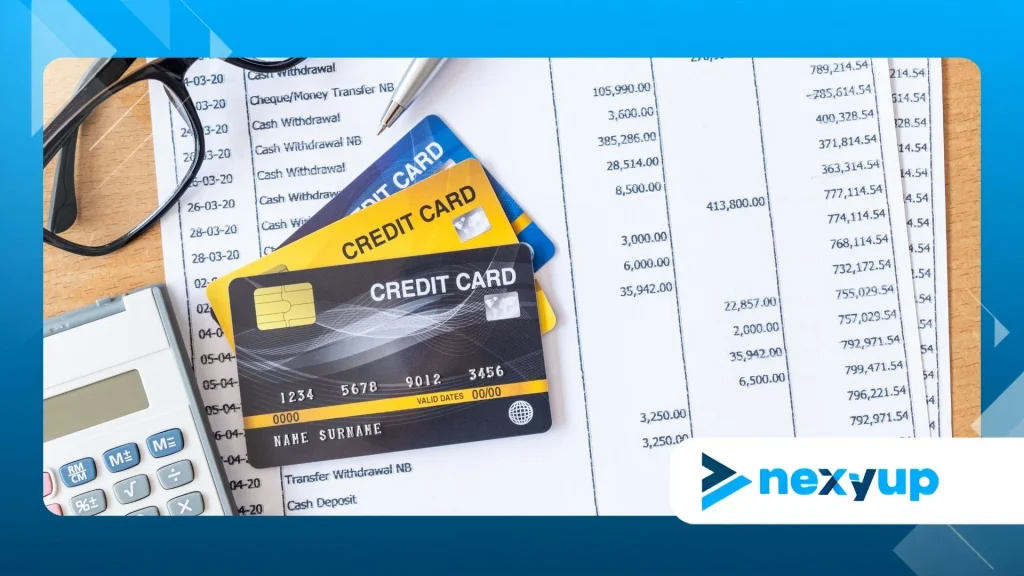
How Do Billing Cycles and Grace Periods Impact Your Daily Finances?
Reading your regular Credit Card Statement closely allows you to pinpoint exact billing cycles and maximize interest-free grace periods effectively.
A billing cycle typically spans 28 to 31 days, capturing every transaction processed within that explicit window. If you clear your balance in full before the grace period expires, issuers charge zero interest on new purchases.
However, carrying even a small balance into the next billing cycle eliminates that grace period instantly, triggering interest charges from the very day you make a new transaction.
According to data published by the Federal Reserve Board in its Household Debt and Credit Report, total credit card debt reached unprecedented highs of over $1.1 trillion nationwide.
A significant portion of this growing burden stems directly from cardholders failing to understand billing cycle cutoff dates and lost grace periods.
Knowing precisely when your cycle closes ensures you never miscalculate processing times or trigger unnecessary finance charges.
++ Hayatın Erken Dönemlerinde Finansal Eğitimi Göz Ardı Etmenin Gerçek Maliyeti
What Critical Details Are Hidden Inside the Payment Information Block?
Your statement payment block contains vital numbers beyond the total balance, specifically the minimum payment warning and late payment penalty terms.
Federal regulations require issuers to display a clear table showing exactly how long paying only the minimum balance will take to eliminate your debt.
Ignored statement blocks obscure critical warning signs, such as automatic rate hikes triggered by a single delayed payment.
Examining this section monthly ensures you remain acutely aware of how minor fee changes directly alter your long-term repayment strategy.
Treat this block as a diagnostic panel rather than a simple payment voucher. Every penalty threshold listed represents real revenue lost if you fail to track your statement dates diligently.
How Does the Minimum Payment Trap Quietly Destroy Long-Term Wealth?

Why Does Carrying a Revolving Balance Cause Exponential Interest Growth?
Paying only the minimum balance keeps your credit line active, but it channels the vast majority of your money directly into interest payment fees.
Issuers calculate minimum payments using a small percentage of the total principal balance combined with accrued finance charges for that month.
Consequently, as the principal decreases slightly, your mandatory payment decreases too, dragging out your total repayment period over several decades.
Consider a standard balance of $5,000 evaluated on a typical Credit Card Statement carrying a standard 21% Annual Percentage Rate (APR).
If you pay only the required $125 minimum each month, it will take over 16 years to completely eliminate that balance, costing over $6,000 in pure interest fees alone.
This compounding dynamic turns routine daily purchases into expensive multi-year loans that silently erode your savings potential.
Ayrıca okuyun: Öğrenim Kredilerini Daha Hızlı Ödemenin En İyi Stratejileri
How Can You Calculate the Real Cost of Purchases over Time?
To grasp the true cost of items bought on credit, you must view every transaction through the lens of interest accumulation.
When you carry revolving balance debts, a simple $100 dinner bill can quickly transform into a $250 expense after accounting for months of compound interest.
High interest rates siphon away liquid income that could otherwise build emergency funds, fund retirement accounts, or invest in real estate.
Using interest calculators regularly helps break the psychological disconnect between making a credit purchase today and paying off compound balances tomorrow.
Recognizing this mathematical reality encourages smarter spending habits and prompts larger monthly principal payments.
Evaluating your card statements with this proactive mindset ensures you remain in complete control of your future wealth.
What Hidden Details Should You Inspect on Every Monthly Bill?
How Do You Identify Sneaky Fees and Billing Errors Instantly?
Reviewing the detailed transaction list on your statement protects your hard-earned money from merchant billing errors, double charges, and unauthorized fraudulent activity.
Unscrupulous subscription services often re-bill canceled memberships, while merchants occasionally enter incorrect tip amounts or duplicate transaction entries without your knowledge.
Identifying these anomalies requires cross-checking receipts against line items line by line each billing period.
Issuers typically grant a strict 60-day window from the statement date to dispute unauthorized transactions under the Fair Credit Billing Act.
Missing this critical deadline means forfeiting your legal right to challenge inaccurate fees or recover stolen funds.
Auditing your charges monthly ensures that incorrect entries are caught, disputed, and reversed before impacting your cash balance.
Devamını oku: Maaşınız Artarken Yaşam Tarzı Enflasyonundan Nasıl Kaçınabilirsiniz?
Why Does Tracking Your Credit Utilization Ratio Matter for Your Score?
Your credit utilization ratio measures the total revolving balance you owe compared to your overall authorized credit limit across all accounts.
Credit scoring models weight this factor heavily, recommending that users keep utilization below 30% and ideally under 10% to achieve top credit tiers.
Monitoring the reported balance on your Credit Card Statement helps you manage this metric before statement closing dates occur.
Issuers report the balance listed on your official statement directly to major credit reporting bureaus every month.
Even if you pay your bill completely by the due date, a high closing statement balance can temporarily lower your credit score.
Lowering statement balances prior to the closing date keeps your public credit score high and maintains your financial health.
Strategic Overview of Statement Components and Financial Impact
| Statement Element | Primary Function | Financial Risk of Neglect | Recommended Monthly Action |
| Statement Closing Date | Ends the current billing cycle window. | Loss of interest-free grace period eligibility. | Pay balance before this date to lower reported utilization. |
| Minimum Due Warning | Displays long-term payoff timelines and costs. | Falling into decades of compound interest debt. | Pay full balance or fixed amounts far above the minimum. |
| Transaction Audit Line | Lists all individual merchant debit activity. | Unresolved fraud charges and recurring subscription traps. | Reconcile every entry against personal receipts within 60 days. |
| APR Variance Block | Shows promotional vs. standard interest rates. | Unexpected rate spikes after promo periods expire. | Track promotional expiration dates and clear balances early. |
Financial Empowerment and Active Account Ownership
Mastering how to read every detail of your monthly statement converts a complex financial document into your most effective tool for personal wealth management.
By auditing transaction lines, calculating true interest costs, and paying balances in full each month, you protect your hard-earned income from high APR charges and fraudulent activity.
Taking direct control of these monthly statements ensures long-term debt control, builds superior credit scores, and establishes a rock-solid foundation for future financial freedom.
Share your personal credit management strategies and bill auditing experiences in the comments section below!
Paying your Credit Card Statement balance in full remains the ultimate strategy for personal wealth building.
Sıkça Sorulan Sorular
What happens if I pay more than the minimum payment but less than the full balance?
Paying more than the minimum requirement reduces your overall principal balance faster, which directly decreases the total compound interest charged in subsequent billing cycles.
While you will still incur interest on the remaining carried balance, higher payments significantly shorten your overall repayment timeline and save considerable money on finance fees over time.
Why did my credit card statement show an interest charge even though I paid the full minimum due?
Paying the minimum due prevents late payment fees and protects your account status from default, but it does not stop interest from accruing on your remaining balance.
Interest is charged on the unpaid portion carried past your grace period deadline, appearing as a standard monthly finance fee on your next statement.
How can I find hidden promotional rate expiration dates on my bill?
Promotional APR terms, such as 0% introductory balance transfer offers, are explicitly detailed in the interest charge calculation section near the end of your document.
This section displays the expiration date, the promotional balance remaining, and the standard APR that will apply automatically once the promotional period officially concludes.
What should I do immediately if I locate an incorrect fee or charge on my statement?
Contact your card issuer’s dispute department immediately using the dedicated phone number printed on the back of your card or inside your online banking portal.
You should also submit a formal written notice of dispute within 60 days of the statement date to preserve your full protection rights under federal credit regulations.
Does paying off my balance multiple times a month hurt my credit score?
Making multiple payments throughout the billing cycle actually helps your credit score by keeping your reported credit utilization ratio consistently low.
Reducing your balance prior to the statement closing date ensures that a lower balance figure is submitted to credit bureaus, protecting your overall credit rating.
