
Abonelik Kültürü Kişisel Mali Duruma Nasıl Zarar Veriyor?
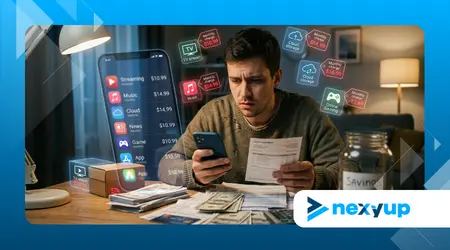
Abonelik kültürü zarar görüyor. Ortak cüzdanımız, mal tüketme şeklimizi basit bir işlemden kalıcı, görünmez bir aylık gider yüküne dönüştürüyor.
Anúncios
Her ay milyonlarca otomatik ödeme, kusursuz kolaylık ve ayrıcalıklı erişim vaadinin ardında gizlenerek, banka hesaplarımızdan sessizce çekiliyor.
Kurumsal şirketler, bir hizmeti süresiz olarak kiralamanın, fiziksel bir ürünü bir kez satmaktan çok daha fazla sürekli kar sağladığını fark ederek iş modellerini ustaca değiştirdiler.
Bu gazetecilik araştırması, bu ekonomik modelin finansal mekanizmalarını inceliyor ve küçük dijital ücretlerin uzun vadeli kişisel tasarruflar için nasıl büyük engellere dönüştüğünü gösteriyor.
Önemli Finansal Açıklamalar
- Mikro-Tahliye Etkisi: Küçük ve parçalı giderlerin, aylık sermaye çıkışlarınızın gerçek hacmini nasıl gizlediğini görün.
- Psikolojik Sahiplik: Bir varlığa sahip olma yanılsaması, ancak tamamen bir sağlayıcının aktif sunucusuna bağımlı kalma durumu.
- Abonelik Tuzağı: Şirketler neden ömür boyu lisansları hızla kaldırıp yerine zorunlu, tekrarlayan ödeme duvarlarını getiriyor?
- Paranızı Geri Alma: Dijital yaşamınızı denetlemek ve fonları gerçek sermayeye geri yönlendirmek için pratik çerçeveler.
Tekrarlayan ücret modelinin ekonomik gerçekliği nedir?
Mevcut gerçeklik şunu gösteriyor ki... Abonelik kültürü zarar görüyor. Orta sınıfı, varlık sahipliğini sonsuz, pazarlık edilemez bir kiralama döngüsüyle değiştirerek zayıflatmak.
Anúncios
Tüketiciler artık yazılım, eğlence veya fitness araçları satın almıyor; sadece kredi kartı reddedildiği anda geçerliliğini yitiren geçici erişim kodları kiralıyorlar.
Bu dinamik, içine yeni gelir doldurmaya çalışırken suyun yirmi küçük delikten daha hızlı bir şekilde dışarı sızdığı, sızıntı yapan bir finansal kovaya benziyor.
Şirket yöneticileri bu öngörülebilirliği seviyor çünkü bu, ekonomik riski şirketin bilançosundan doğrudan tüketicinin aylık hane halkı bütçesine aktarıyor.
Şirketler tüketici hafızasını nasıl manipüle ediyor?
Şirketler, zaman içinde insanlardaki unutkanlığı ve doğal davranışsal ataleti istismar etmek için, kasıtlı olarak sorunsuz dijital kayıt işlemlerini inanılmaz derecede karmaşık iptal süreçleriyle birleştiriyor.
Kullanıcıların, müşteri hizmetleri sayfalarının labirentinde gezinmekten kaçınmak için aylarca küçük bir aylık ücreti tolere edebileceklerini biliyorlar.
++ Kariyer Kaygısını Azaltmada Finansal Okuryazarlığın Rolü
Fiziksel mülkiyet neden hızla ortadan kayboluyor?
Fiziksel diskleri ve sabit diskleri ortadan kaldırarak, endüstriler sözde satın aldığınız medyanın fiyatlandırması, bulunabilirliği ve özellikleri üzerinde mutlak kontrolü elinde tutuyor.
Esasen, ebeveynlerinizin tek bir işlemle tamamen sahip olduğu kültüre, araçlara ve hizmetlere erişmek için ömür boyu vergi ödüyorsunuz.

Tüketiciler neden mikro harcamalarını takip etmekte başarısız oluyorlar?
Birçok hane halkı tasarruf biriktirmekte zorlanıyor çünkü Abonelik kültürü zarar görüyor. Yoğun manuel takip gerektirmeden toplam harcamalarını doğru bir şekilde kavrayabilme yetenekleri.
On dolarlık bir yayın aboneliği tek başına önemsiz gibi görünse de, premium bulut depolama, yemek siparişi abonelikleri ve spor salonu üyelikleriyle birleştiğinde fatura devasa boyutlara ulaşıyor.
Son tüketici araştırmaları, ortalama bir kişinin aylık abonelik harcamalarını tahmin etmesinin istendiğinde, bunu inanılmaz bir şekilde yüzde iki yüz oranında hafife aldığını gösteriyor.
Bu takip açığı, yanlış bir güvenlik hissi yaratarak bireylerin banka hesaplarındaki gerçek rakamdan daha fazla harcanabilir gelire sahip olduklarına inanmalarına yol açar.
Ayrıca okuyun: Gerçekten İşe Yarayan 10 Basit Para Tasarrufu Yöntemi
Veriler bize gizli maliyetler hakkında ne söylüyor?
2025 yılına ait önemli bir finansal tüketici raporu, modern yetişkinlerin düzenli dijital hizmetlere aylık ortalama 219 dolar harcadığını ortaya koydu.
Bu toplam, emeklilik hesaplarına, gayrimenkul peşinatlarına veya yüksek getirili yatırım araçlarına yatırılabilecek binlerce dolarlık yıllık bir miktarı temsil ediyor.
Devamını oku: Kredi Geçmişinizi Sorumlu Bir Şekilde İlk Günden Nasıl Oluşturabilirsiniz?
Otomatik yenileme, harcama psikolojisini nasıl değiştirir?
Bir banka hesabı ödemeyi otomatik hale getirdiğinde, beyin bu işlemi, zor kazanılmış mali kaynakların acı verici bir kaybı olarak algılamakta başarısız olur.
Bu durum, tüketim eylemini emeğin gerçekliğinden kopararak, tehlikenin farkına bile varmadan kendini aşırı zorlamayı tehlikeli bir şekilde kolaylaştırıyor.
Tekrarlayan faturalandırma uzun vadeli servet yaratımını nasıl etkiler?
Ne zaman Abonelik kültürü zarar görüyor. Nakit akışınızı doğrudan etkiler ve bu paranın yirmi yıl içinde üretebileceği bileşik faizi çalar.
Endeks fonuna ayda seksen dolar yatırmak önemli bir servet getirirken, aynı parayı eğlence kanallarına vermek hiçbir finansal getiri sağlamaz.
Aşağıdaki tablo, tipik aylık aboneliklerin gerçekçi bir dökümünü ve yıllık yüzde sekiz getiriyle yatırılmaları durumunda uzun vadeli fırsat maliyetlerini göstermektedir.
Aylık Aboneliklerin Gerçek Fırsat Maliyeti
| Abonelik Kategorisi | Ortalama Aylık Maliyet | 5 Yıllık Maliyet | 10 Yıllık Yatırım Değeri |
| Video Akışı (3 Hizmet) | $45 | $2,700 | $8,200 |
| Premium Yemek Teslimatı Kartı | $15 | $900 | $2,730 |
| Niş Yazılımlar / Yapay Zeka Araçları | $60 | $3,600 | $10,930 |
| Butik Fitness Uygulaması | $30 | $1,800 | $5,460 |
Küçük tasarruflar gerçekten geleceğinizi değiştirebilir mi?
Evet, çünkü kullanılmayan sadece üç dijital geçiş kartını ortadan kaldırmak, acil durumlar veya borçların silinmesi için her yıl bin dolardan fazla tasarruf sağlayabilir.
Bu sermaye enflasyona karşı bir kalkan görevi görerek, dijital eğlence kataloğunun kriz dönemlerinde asla taklit edemeyeceği bir güvence ve gönül rahatlığı sağlıyor.
Genç çalışanlar neden en çok zarar görüyor?
Kariyerine yeni başlayan profesyoneller, genellikle pahalı gayrimenkul yatırımlarının yerine ucuz dijital ürünlere yönelerek, tüketim arzularını parçalı ve düşük maliyetli eğlence modelleriyle karşılıyorlar.
Bu alışkanlık onları anlık tatmin döngüsüne hapseder ve gerçek servet oluşturma fırsatları ortaya çıktığında kullanabilecekleri nakit kaynaklarını azaltır.
Vatandaşlar dijital bağımlılıktan nasıl kurtulabilir?
Hasarı durdurmak Abonelik kültürü zarar görüyor. Geleceğiniz, aktif kartlarınızın ve otomatik banka ödemelerinizin agresif ve sistematik bir şekilde denetlenmesini gerektiriyor.
Pratik bir örnek olarak, bugün gereksiz tüm hizmetleri iptal edip, eğlence ve yazılım ihtiyaçlarınız için katı bir "kullandıkça öde" felsefesini benimsemek verilebilir.
Belirli bir programı izlemek istiyorsanız, bir aylık erişim satın alın, programı izleyin ve hemen ardından sözleşmeyi feshedin.
Eğer on farklı şirket sunucusunun hesabınızdan otomatik olarak para çekme izni varsa, finansal kaderinizin kontrolü gerçekten sizde mi?
“Abonelik Temizleme” yöntemi nedir?
Bu strateji, otomatik yenilemelerin tamamını otuz gün boyunca dondurmanızı ve yalnızca kesinlikle ihtiyaç duyduğunuz hizmetler için manuel olarak yeniden yetkilendirme yapmanızı gerektirir.
Çok geçmeden, hayati önemde sandığınız birçok hizmetin aslında sadece dikkatinizi dağıtan ve sermayenizi tüketen dijital gürültüden ibaret olduğunu keşfedeceksiniz.
Açık kaynak kodlu alternatifler bütçenize nasıl yardımcı olur?
Ücretli yazılım paketlerini ücretsiz, topluluk odaklı alternatiflerle değiştirmek, hem küçük işletme sahipleri hem de serbest çalışanlar için yıllık olarak yüzlerce dolar tasarruf sağlayabilir.
Bu araçlar, aylık işletme veya kişisel banka hesap özetlerinize kalıcı bir finansal yük getirmeden benzer faydalar sunar.
Nakit Akışınız Üzerindeki Egemenliğinizi Geri Kazanmak
Mevcut kurumsal ekosistem, düşük aylık ödemeler yanılsaması aracılığıyla sizi paranızdan ayırmak üzere özenle tasarlanmıştır.
Bu parçalı, görünmez maliyetlerin tasarruf potansiyelinizi nasıl aşındırdığını ve zaman içinde gerçek, somut bir servet oluşturmanızı nasıl engellediğini gösterdik.
Finansal özgürlüğünüzün sınırsız yayın erişiminden daha değerli olduğunu kabul etmek, dijital kölelik döngüsünü kırmanın ilk adımıdır.
Hesaplarınızı denetleyerek, manuel ödemeleri zorunlu kılarak ve kiralama yerine mülkiyeti tercih ederek, zor kazanılmış sermayenizi şirketlerin acımasız sömürüsünden korursunuz.
Bugün banka hesap özetinizi kontrol altına alın, görünmez sızıntıları kapatın ve paranızın yöneticilerin ikramiyelerini finanse etmek yerine geleceğinizi inşa etmesini sağlayın.
Son banka ekstrenizde kaç tane aktif abonelik buldunuz? Denetim deneyiminizi aşağıdaki yorumlarda paylaşın!
Sıkça Sorulan Sorular
Ömür boyu geçerli yazılım lisansları neden ortadan kayboluyor?
Şirketler, Wall Street yatırımcılarının dalgalanan, tek seferlik satış rakamlarına kıyasla çok daha fazla değer verdiği öngörülebilir gelirler sağladığı için tekrarlayan modelleri tercih ederler.
Hesabımdaki gizli abonelikleri nasıl bulabilirim?
Son üç aya ait banka hesap özetlerinizi inceleyin ve özellikle aynı tarihte gerçekleşen küçük, tekrarlayan harcamaları arayın.
Aile planları ekstra ücrete değer mi?
Bu ancak her üyenin hizmeti aktif olarak kullanması durumunda geçerlidir; aksi takdirde, daha yüksek kademe, doğrudan sizin zararınıza olacak şekilde şirketin kar marjını artırır.
Abonelik hizmetleri önceden haber vermeden fiyatlarını artırabilir mi?
Çoğu hizmet şartı, firmaların basit bir dijital bildirimle aylık ücretleri artırmasına izin vererek sizi daha fazla ödeme yapmaya veya aboneliği iptal etmeye zorlar.
