
Como criar um Produto Mínimo Viável (MVP) para sua startup
No mundo acelerado das startups, é fundamental testar rapidamente sua ideia de negócio. É aí que entra o Produto Mínimo Viável (MVP). Um MVP possui apenas os recursos necessários para agradar os primeiros clientes e fornecer feedback. Esse feedback ajuda você a aprimorar seu produto e a tomar decisões inteligentes sobre o seu futuro.
Anúncios
Criar um MVP (Produto Viável Mínimo) é uma estratégia inteligente para startups. Economiza tempo e dinheiro, além de reduzir o risco de criar um produto que não agrade ao seu mercado. Ao focar nos recursos essenciais e obter feedback desde o início, você pode refinar seu produto antes de investir muito.
Neste artigo, vamos abordar o que é um MVP, seus benefícios para startups e como criar um. Falaremos sobre como identificar seu mercado-alvo, definir metas e escolher os recursos certos para o seu MVP. Também compartilharemos erros comuns a serem evitados, como testar e validar seu MVP e como lançar e expandir seu produto.
Produto Mínimo Viável: Conceitos Essenciais e Benefícios
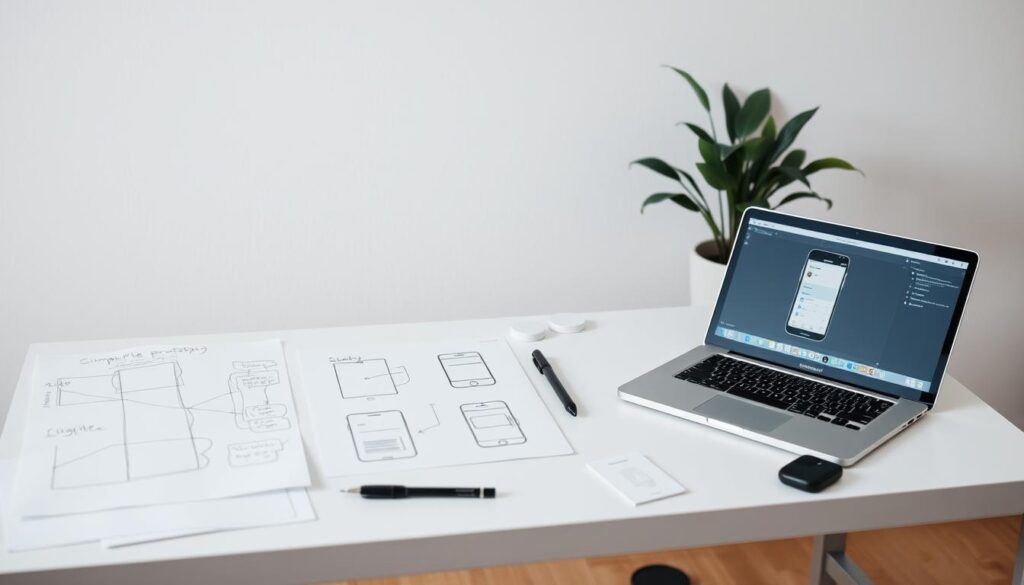
O Produto mínimo viável (MVP) é fundamental em estratégia de startup e desenvolvimento de produtoÉ uma versão do produto com recursos suficientes apenas para agradar os primeiros clientes. Isso ajuda as startups a testarem suas ideias, verificarem se elas se encaixam no mercado e reduzirem os riscos antes de grandes investimentos.
Anúncios
Um MVP eficaz possui algumas partes importantes:
- UM conjunto principal de funcionalidades que atendam às necessidades mais urgentes do cliente
- O capacidade de coletar feedback do usuário e insights obtidos por meio de testes no mundo real.
- UM Interface de usuário simples e intuitiva isso torna a experiência melhor
- O potencial para expansão futura de recursos baseado em feedback do usuário e demandas de mercado
Por que os MVPs são importantes para as startups modernas
Na era da tecnologia acelerada de hoje e empreendedorismo No mundo, os MVPs são vitais. Eles permitem que os fundadores validar suas ideias de produto e Obtenha feedback dos primeiros usuários antes de grandes investimentos. Dessa forma, as startups podem reduzir o risco de produzir algo que o mercado não quer, aumentando suas chances de sucesso.
Redução de riscos através do desenvolvimento de MVP (Produto Mínimo Viável).
O desenvolvimento de MVP é uma ferramenta poderosa para redução de risco em startups. Ao focar em funcionalidades-chave e obter feedback do usuário No início, as startups podem Evite os erros dispendiosos de construir o errado. produto ou características.
Isso permite que startups pivotar ou iterar seu produto rapidamente, garantindo que atendam às reais necessidades de seus clientes e aumentem suas chances de adequação do produto ao mercado.
Identificando seu mercado-alvo e as necessidades do usuário
Para criar um Produto Mínimo Viável (MVP) bem-sucedido, você precisa Identifique seu mercado-alvo e compreenda suas necessidades.Realizando uma análise completa. pesquisa de mercado Isso lhe fornece insights. Esses insights moldam seu MVP e garantem que ele atenda às necessidades do seu público.
Comece por segmentando sua base de clientes em diferentes grupos. Analise dados demográficos, comportamentos e pontos problemáticos. Isso segmentação de clientes ajuda você a criar personas de usuárioEssas personas orientam o design do seu MVP e proposta de valor.
- Utilize pesquisas, entrevistas e análises de mercado para conhecer seus clientes em potencial.
- Descubra o que seus segmentos de usuários-alvo desejam, precisam e almejam. Isso permite a criação de estratégias detalhadas. personas de usuário.
- Certifique-se de que seu MVP atenda às necessidades do seu público-alvo. Isso garante um proposta de valor Isso resolve os problemas deles.
Compreender o seu mercado e as necessidades dos utilizadores é fundamental. Isso permite criar um MVP (Produto Viável Mínimo) que realmente acrescenta valor. Esta pesquisa inicial é vital para o sucesso. lançamento de produto e crescimento.
Definindo metas claras e métricas de sucesso para o seu MVP
Criar um Produto Mínimo Viável (MVP) de sucesso exige uma visão clara e metas mensuráveis. Ao definir indicadores-chave de desempenho (KPIs), você pode alcançar um MVP eficaz.KPIs), metas SMARTCom marcos no cronograma e no desenvolvimento de metas, você mantém seu MVP (Produto Viável Mínimo) no caminho certo. Isso garante que ele entregue resultados reais.
Definição de Indicadores-Chave de Desempenho
KPIs São métricas mensuráveis que mostram se o seu MVP está sendo bem-sucedido. Elas podem incluir engajamento do usuário, taxas de conversão ou custos de aquisição de clientes. Escolher as métricas certas é fundamental. KPIs Permite acompanhar seu progresso e tomar decisões inteligentes.
Estabelecer objetivos mensuráveis
- Defina metas SMART (Específicas, Mensuráveis, Atingíveis, Relevantes e Temporais) para o seu MVP, como obter um determinado número de usuários ou atingir uma meta de receita dentro de um prazo definido.
- Certifique-se de que seus objetivos estejam alinhados com sua estratégia de negócios e com as necessidades do seu mercado-alvo.
- Continue verificando e ajustando seus objetivos com base no feedback e nas novas informações obtidas nos testes do MVP.
Criando marcos no cronograma
Faça uma análise detalhada. roteiro do produto Defina marcos e prazos importantes para o seu MVP. Isso mantém o foco, permite acompanhar o progresso e possibilita ajustes em tempo hábil. Seja flexível para lidar com problemas inesperados ou novas oportunidades que surgirem.
Ao definir metas claras, indicadores-chave de desempenho (KPIs) e um cronograma detalhado, o desenvolvimento do seu MVP permanecerá no caminho certo. Isso estabelece as bases para o crescimento e o sucesso futuros.
Como escolher os recursos certos para o seu MVP
Ao criar um Produto Mínimo Viável (MVP) para o seu negócio, você precisa considerar alguns fatores. comeceEscolher as funcionalidades certas é fundamental. Você precisa se concentrar no que seus usuários-alvo realmente precisam. Dessa forma, seu MVP será eficaz e fácil de usar.
O Método MoSCoW É uma ótima maneira de organizar as funcionalidades. Ela as agrupa em Essenciais, Desejáveis, Opcionais e Dispensáveis desta vez. Usando esse método, você pode eliminar o que não é essencial e se concentrar no que é mais importante para seus usuários.
Mapeamento de histórias de usuário é outra ótima ferramenta. Ela permite visualizar como os usuários interagem com seu produto. Isso ajuda a identificar os recursos básicos necessários para uma boa experiência. Seu MVP (Produto Viável Mínimo) terá, então, apenas as partes mais importantes.
| Técnica de priorização | Descrição | Principais benefícios |
|---|---|---|
| Método MoSCoW | Classifica os requisitos em Obrigatório, Desejável, Opcional e Indesejável desta vez. | Ajuda você a se concentrar no essencial. características para o seu MVP. |
| Mapeamento de histórias de usuário | Visualiza a jornada do usuário para identificar o conjunto mínimo de funcionalidades necessárias para uma experiência significativa. | Garante que seu MVP inclua apenas o mais importante. funcionalidade. |
Usando estes priorização de recursos Com esses métodos, você pode criar um MVP que seu público vai adorar. Isso também prepara o terreno para o crescimento futuro do seu produto.
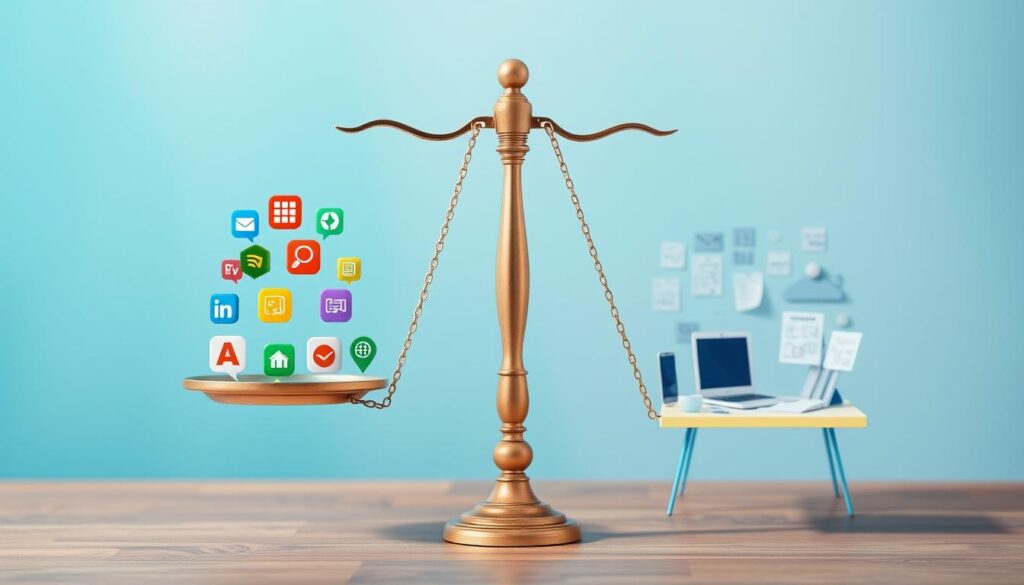
Estratégias e abordagens para o desenvolvimento de MVP
Criar um Produto Mínimo Viável (MVP) de sucesso exige planejamento cuidadoso. As empresas utilizam diferentes métodos para criar um MVP que atenda às necessidades do usuário e economize recursos. Vamos analisar três estratégias principais: lean startup, desenvolvimento ágil, e prototipagem rápida.
Metodologia Lean Startup
O lean startup O método foca em testes e aprendizado rápidos. Ele ajuda empreendedores a construir e testar seu MVP (Produto Viável Mínimo) rapidamente. Eles recebem feedback dos usuários e fazem alterações para aprimorar o produto.
O objetivo é verificar se o produto resolve problemas reais. Isso ajuda a descobrir o que os clientes precisam e aprimorar o produto antes de investir muito dinheiro.
Processo de Desenvolvimento Ágil
Desenvolvimento ágil É um esforço de equipe que funciona em ciclos curtos. É ótimo para criar MVPs (Produtos Mínimos Viáveis). Equipes ágeis fazem pequenas atualizações no produto com base no feedback dos usuários.
Dessa forma, o processo de desenvolvimento torna-se flexível e pode ser rapidamente adaptado para atender às necessidades do mercado. Isso ajuda as startups a utilizarem o feedback dos clientes para aprimorar seus produtos.
Técnicas de prototipagem rápida
Prototipagem rápida Cria modelos simples e baratos para testar ideias. É uma forma de startups experimentarem diferentes conceitos sem gastar muito. Ao testar esses protótipos, as empresas podem aprimorar seu MVP e alinhá-lo melhor com o que os clientes desejam.
A utilização de uma combinação dessas estratégias ajuda as startups a criar um MVP que atenda bem às necessidades do usuário. Além disso, é eficiente e pode ser adaptada às mudanças do mercado. lean startup, desenvolvimento ágil, e prototipagem rápida, as empresas podem aumentar suas chances de sucesso.
Armadilhas comuns no desenvolvimento de MVPs que você deve evitar.
Criar um Produto Mínimo Viável (MVP) de sucesso é fundamental para startups. No entanto, isso traz consigo uma série de desafios. Empreendedores frequentemente caem em armadilhas comuns que podem paralisar seus projetos de MVP. Vamos analisar algumas dessas armadilhas e como evitá-las.
Aumento de funcionalidades É um grande problema. É fácil adicionar novos recursos para melhorar o produto. Mas isso pode tornar o MVP (Produto Viável Mínimo) muito grande e complexo. O objetivo é ter um produto simples que resolva um problema específico para o seu público.
Perfeccionismo Mas também pode te atrapalhar. Tentar fazer tudo perfeito pode levar a mudanças e atrasos intermináveis. Lembre-se: "feito é melhor que perfeito". O objetivo é lançar um MVP funcional com as principais funcionalidades. Depois, você pode aprimorá-lo com base no feedback dos usuários.
- Evitar expansão de recursos Ao focar nas características mais importantes.
- Não complique demais seu MVP; mantenha-o simples e funcional.
- Não deixe perfeccionismo Diminua a velocidade do seu lançamento; mire no "bom o suficiente".
- Mantenha-se firme gerenciamento de escopo Para manter o foco e evitar adicionar demais.
O principal objetivo de um MVP (Produto Viável Mínimo) é testar suas ideias e obter feedback dos usuários. Ao evitar esses erros comuns, você pode criar um produto focado e atraente para seu público-alvo. Isso prepara o terreno para o sucesso futuro.
Testando e validando seu MVP
Criar um Produto Mínimo Viável (MVP) de sucesso exige um processo completo de testes e validação. Ao verificar cuidadosamente o seu MVP, você pode obter feedback valioso dos usuários. Isso ajuda a identificar o que precisa ser aprimorado e a tornar seu produto melhor para o seu público-alvo.
Métodos de teste de usuário
Testes de usabilidade É fundamental para validar seu MVP. Significa observar os usuários utilizando seu produto e identificar onde encontram dificuldades. Você também pode usar Teste A/B Para descobrir qual design ou recurso funciona melhor com seu público.
Estratégias de coleta de feedback
- Realize pesquisas e entrevistas com usuários para obter feedback direto sobre o desempenho do seu MVP e como ele pode ser aprimorado.
- Analise os dados e as métricas de usuários para entender como as pessoas estão usando seu produto.
- Peça aos usuários que compartilhem seus pensamentos e ideias por meio de feedback no aplicativo ou em fóruns online.
Implementando sugestões do usuário
A grande vantagem de um MVP é obter feedback dos usuários e aprimorar o produto com base nele. Ao analisar o feedback recebido, você pode se concentrar nas sugestões mais importantes. Isso ajuda a melhorar continuamente o seu MVP e a atender às necessidades em constante mudança dos seus clientes.
| Método de teste de usuário | Beneficiar |
|---|---|
| Testes de usabilidade | Identifica pontos problemáticos e melhora a usabilidade. |
| Teste A/B | Compara opções de design ou funcionalidades para determinar as preferências do usuário. |
| Pesquisas e entrevistas com usuários | Reúne feedback direto sobre funcionalidades, experiência do usuário e áreas para melhoria. |
"Contínuo feedback do usuário e melhoria iterativa São as chaves para criar um MVP de sucesso que realmente cative seu público-alvo.”
Orçamento e alocação de recursos para o desenvolvimento de MVP
Criando um Produto Mínimo Viável (MVP) para o seu negócio. comece Requer planejamento e orçamento cuidadosos. Estimativa de custos e planejamento de recursos São essenciais para o lançamento bem-sucedido de um MVP. Ajudam a equilibrar custo e qualidade.
Ao planejar seu orçamento MVPConsidere todos os custos de desenvolvimento. Isso inclui: estimativa de custos, planejamento de recursosContratação de talentos e aquisição de ferramentas. Uma sólida gestão financeira Um bom planejamento ajuda você a gastar com sabedoria e a manter o foco.
Bom planejamento de recursos Também é vital. Significa saber quem contratar e quanto tempo e dinheiro cada tarefa exige. Dessa forma, seu MVP é produzido de forma eficiente e dentro do orçamento.
“A chave para o desenvolvimento bem-sucedido de um MVP é encontrar o equilíbrio certo entre custo-benefício e qualidade. Um orçamento cuidadoso e planejamento de recursos são essenciais para alcançar esse equilíbrio.”
O principal objetivo do MVP (Produto Viável Mínimo) é testar sua ideia de produto e obter feedback dos usuários. Ao focar em funcionalidades essenciais e manter os custos baixos, você maximiza seu investimento.
Resumindo, orçamento e planejamento de recursos são fundamentais para Sucesso do MVPAo dominar estimativa de custos, planejamento de recursos, orçamento MVP gestão e gestão financeira, você define o seu comece Pronto para o sucesso.
Lançamento e marketing do seu MVP
O lançamento do seu Produto Mínimo Viável (MVP) é um passo fundamental. Sua estratégia para levá-lo ao mercado demonstrará sua capacidade de atrair a atenção dos primeiros usuários. Isso é crucial para despertar o interesse e impulsionar o crescimento.
Quando você lançar o seu lançamento de produto, escolha o melhor canais de marketing Para alcançar seu público, utilize o marketing digital, como mídias sociais, e-mail marketing e conteúdo. Considere também métodos tradicionais, como eventos, parcerias e relações públicas.
Para desenhar em primeiros a adotarConte uma história que mostre o que torna seu MVP especial. Converse com seu público, ouça o feedback e continue aprimorando seu produto para atender às necessidades dele.
Construir uma forte presença online e trabalhar com influenciadores pode ajudar sua empresa. estratégia de entrada no mercadoCriar entusiasmo em torno do seu MVP é fundamental para conquistar usuários e aumentar sua base de usuários.
| Canal de marketing | Benefícios potenciais |
|---|---|
| Mídias sociais | Alcance um público-alvo específico, promova o engajamento e construa reconhecimento da marca. |
| Campanhas de e-mail | Cultive leads, forneça atualizações e incentive conversões. |
| Marketing de conteúdo | Estabeleça uma posição de liderança no setor, eduque clientes em potencial e impulsione o tráfego do site. |
| Eventos e Parcerias | Conecte-se com influenciadores do setor, faça networking com clientes em potencial e apresente seu MVP (Produto Viável Mínimo). |
Com planejamento e execução cuidadosos do seu lançamento de produto e estratégia de entrada no mercadoVocê pode apresentar seu MVP ao mercado. Isso atrairá primeiros a adotar e preparar o terreno para o crescimento e o sucesso futuros.
Escalando além do seu MVP inicial
Lançar um Produto Mínimo Viável (MVP) bem-sucedido é apenas o começo. Para crescer de verdade, você precisa escalar seu produto. Isso significa expandir funcionalidades e planejar o crescimento.
Estratégia de Expansão de Funcionalidades
Comece adicionando novos recursos ao seu MVP. Busque maneiras de atender melhor às necessidades dos usuários. Use o feedback e os dados dos usuários para decidir o que adicionar primeiro.
Use um ágil Método de desenvolvimento. Isso permite testar e aprimorar recursos rapidamente. Ajuda a acompanhar as mudanças do mercado.
Estrutura de Planejamento de Crescimento
Elabore um plano de crescimento detalhado. Ele deve incluir metas de escalabilidade, marcos e recursos. Utilize o que você aprendeu com seu MVP para orientar esse plano.
- Defina metas de crescimento claras e mensuráveis que estejam alinhadas com os objetivos do seu negócio.
- Analise os dados do seu MVP para encontrar maneiras de aprimorá-lo e expandi-lo.
- Crie um roteiro que mostre quais recursos adicionar e quando. Inclua os recursos e o tempo necessários.
- Continue atualizando seu plano com base no feedback dos usuários e nas mudanças do mercado.
Expandir seu produto além do MVP abre novos caminhos de crescimento. Isso melhora sua adequação do produto ao mercado e fortalece o posicionamento da sua startup no mercado.
Conclusão
Já abordamos as principais estratégias para criar um produto mínimo viável (MVP) de sucesso para sua startup. Agora você sabe como começar, encontrar seu mercado, definir metas e escolher os recursos certos. Este guia lhe deu as ferramentas para transformar suas ideias inovadoras em realidade.
O MVP é mais do que um primeiro passo. É a chave para... crescimento de startups e sucesso empreendedorAo focar nos usuários e aprimorar seu produto, você pode reduzir riscos e obter feedback. Isso ajuda a tornar seu produto melhor para seus clientes.
Começando seu Sucesso do MVP viagem? Lembre-se das dicas e insights sobre desenvolvimento de produtos A partir deste artigo. Use essas estratégias para superar dicas de empreendedorismo desafios. Com um plano sólido e foco em inovação, você está pronto para criar um produto que atrairá seu público e ajudará seu negócio a crescer.
Perguntas frequentes
Qual é o objetivo de um Produto Mínimo Viável (MVP)?
Um MVP (Produto Viável Mínimo) ajuda a validar uma ideia de negócio. Ele economiza recursos e acelera a entrada no mercado. Ao criar um produto básico, as startups podem obter feedback dos primeiros usuários. Isso ajuda a determinar se a ideia funciona no mercado.
Quais são os componentes-chave de um MVP eficaz?
An effective MVP has a clear proposta de valor. It focuses on core user needs and has a simple user experience. It also gathers meaningful feedback. The MVP should have just the essential features to test the product’s viability.
Por que os MVPs são importantes para as startups modernas?
MVPs are key for modern startups. They reduce risks in desenvolvimento de produto. They allow for faster iterations and validate business ideas before big investments. Launching an MVP gives startups real-world data for informed decisions.
Como as startups podem identificar seu mercado-alvo e as necessidades dos usuários?
Startups can find their target market and user needs through research. They can segment customers and create personas de usuário. This helps understand the audience’s pain points and preferences, ensuring the MVP meets their needs.
Quais são algumas métricas e metas importantes a serem definidas para um MVP?
As principais métricas para um MVP incluem aquisição e engajamento de usuários. Startups devem definir metas claras, como usuários ativos ou satisfação do cliente, e também estabelecer um cronograma para atingir esses objetivos.
Como as startups podem escolher os recursos certos para seu MVP?
Startups should prioritize essential features for their MVP. They can use methods like the Método MoSCoW or user story mapping. The goal is to create a simple, valuable product that solves a specific problem for users.
Quais são algumas armadilhas comuns a serem evitadas durante o desenvolvimento de um MVP?
Startups should avoid expansão de recursos e overengineering. They should also resist perfeccionismo and focus on core user needs. Keeping the MVP simple and disciplined is key.
Como as startups podem testar e validar seu MVP de forma eficaz?
Startups can test their MVP through various methods like usability testing e Teste A/B. Gathering real-user feedback is crucial. This feedback helps improve the MVP iteratively.
Quais são algumas considerações importantes para o orçamento e a alocação de recursos durante o desenvolvimento do MVP?
O planejamento orçamentário e a alocação de recursos são cruciais durante o desenvolvimento do MVP (Produto Viável Mínimo). Startups devem estimar custos e planejar recursos de forma eficaz. Equilibrar custo-benefício com qualidade é essencial para um produto viável.
Como as startups podem lançar e comercializar seu MVP de forma eficaz?
Startups can launch and market their MVP with a strategic plan. They should use the right canais de marketing and target primeiros a adotar. The goal is to generate interest, build a user base, and gather feedback for future development.
