
Dowiedz się, dlaczego klawiatura QWERTY została stworzona w ten sposób
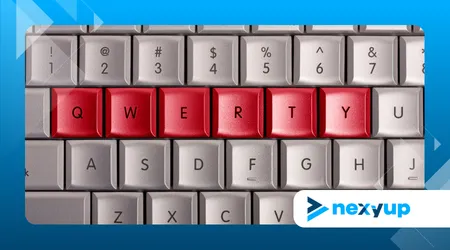
QWERTY stanowi osobliwy pomnik zmagań mechanicznych XIX wieku i pełni dziś funkcję interfejsu niemal każdej interakcji cyfrowej.
Anúncios
Kiedy Christopher Sholes opatentował ten układ w 1868 roku, nie miał na celu optymalizacji szybkości działania maszyny, lecz zapobiegnięcie jej samozniszczeniu w trakcie użytkowania.
Wczesne maszyny do pisania wykorzystywały metalowe młotki, które często zderzały się ze sobą i zacinały, gdy szybko i natychmiast naciskano kolejne klawisze znajdujące się obok siebie.
Ta historyczna osobliwość wymusiła projekt, który rozdzielił popularne pary liter, tworząc konfigurację, która pozostaje światowym standardem w naszym ultraszybkim modelu 2026.
Ewolucja pisania na klawiaturze
- Początki mechaniczne: Odkryj, dlaczego ograniczenia fizyczne stalowych prętów wpłynęły na umiejscowienie naszych współczesnych cyfrowych samogłosek.
- Mit prędkości: Odkryj prawdę na temat tego, czy układ klawiatury został zaprojektowany, aby spowolnić pracę osób piszących, czy po prostu zmienić ich układ.
- Zależność ścieżki: Przeanalizuj, dlaczego świat nie chce przejść na bardziej efektywne alternatywy, takie jak metody Dvoraka i Colemaka, pomimo dowodów technicznych.
- Nowoczesna adaptacja: Odkryj jak QWERTY przeszliśmy od ciężkich dźwigni mechanicznych do ekranów dotykowych naszych najnowszych smartfonów.
Dlaczego Sholes zdecydował się na taki właśnie układ liter?
Głównym celem QWERTY Celem projektu było rozwiązanie problemu „kolizji” polegającego na zbyt szybkim wpisywaniu „TH” lub „ST” i powodowaniu zacięć.
Anúncios
Przesuwając często występujące w parach litery na przeciwległe strony kosza, Sholes zapewnił mechanicznym ramionom czas na pełne schowanie się.
Taka reorganizacja pozwoliła na uzyskanie płynniejszego rytmu, co paradoksalnie pozwoliło maszynistom pracować szybciej przez dłuższy czas, bez konieczności zatrzymywania się na rozplątywanie metalu.
Było to genialne rozwiązanie wąskiego gardła w inżynierii fizycznej, które zniknęło dziesiątki lat temu, ale pozostawiło niezatarty ślad w naszej kulturze.
W jaki sposób umowa z Remingtonem umocniła ten układ?
Gdy producent broni E. Remington and Sons rozpoczął masową produkcję maszyn do pisania, przyjął układ Sholesa jako domyślny dla swoich maszyn.
Ta współpraca handlowa oznaczała, że pierwsze pokolenie profesjonalnych maszynistek uczyło się pisać wyłącznie na tym konkretnym, pomieszanym układzie liter.
W ślad za nimi poszły szkoły biznesu, nauczając metody „pisania na klawiaturze bezwzrokowego” przy użyciu maszyn Remington, co pozwoliło na stworzenie ogromnej, wyszkolonej siły roboczej, opierającej się jakimkolwiek zmianom.
Kiedy pojawiły się lepsze rozwiązania mechaniczne, uznano, że koszty przekwalifikowania milionów sekretarek są dla korporacji zbyt wysokie.
++ Dlaczego niezwykłe doświadczenie jest dziś lepsze od idealnego CV
Dlaczego słowo „Maszyna do pisania” jest ukryte w górnym rzędzie?
Jedna z pomysłowych teorii marketingowych głosi, że górny rząd został zaprojektowany tak, aby sprzedawcy mogli szybko wpisać słowo „maszyna do pisania”, korzystając tylko z jednego rzędu.
Dzięki temu mogli pokazać sceptycznym klientom szybkość i płynność działania maszyny, bez konieczności szukania rozwiązań na szeroką skalę.
Choć niektórzy historycy spierają się, czy było to celowe, faktem pozostaje, że w górnym rzędzie znajdują się wszystkie litery niezbędne do utworzenia marki.
Był to prymitywny, ale skuteczny sposób „copywritingu”, który pomógł w przejściu od gęsich piór do mechanicznych kluczy.

Dlaczego świat nie chce odejść od klawiatury QWERTY?
Często trzymamy się QWERTY układ ze względu na zjawisko znane jako zależność ścieżkowa, w którym historyczny wybór dyktuje wszystkie przyszłe kierunki rozwoju.
Mimo że nie używamy już młotków mechanicznych, pamięć mięśniowa miliardów ludzi pełni rolę niezniszczalnej kotwicy.
Zmiana układu byłaby równoznaczna z nauką nowego języka dla całej światowej gospodarki jednocześnie, co jest koszmarem logistycznym.
W roku 2026 nasze mózgi są zaprogramowane tak, aby znajdować wypustki „F” i „J” bez konieczności patrzenia na dłonie.
Przeczytaj także: Jak wesoła atmosfera w pracy może zwiększyć produktywność
Jakie są główne konkurencje, takie jak Dvorak?
Uproszczoną klawiaturę Dvoraka zaprojektowano w latach 30. XX wieku tak, aby najpopularniejsze litery języka angielskiego znajdowały się w „rzędzie podstawowym”, co zwiększało wydajność.
Badania przeprowadzone przez Marynarka Wojenna USA zasugerował kiedyś, że użytkownicy klawiatury Dvoraka przesuwali palce o 60% mniej niż użytkownicy standardowego układu Sholesa.
Mimo tych ergonomicznych zalet, Dvorak nie zyskał popularności, gdyż niewielki wzrost szybkości nie przeważył nad ogromnym wysiłkiem włożonym w ponowne opanowanie metody.
Jest to szczytowy przykład sytuacji, w której lepsza technologia przegrywa z głęboko zakorzenionym, „wystarczająco dobrym” standardem, który pojawił się wcześniej.
Czytaj więcej: Jak losowe umiejętności mogą poprawić Twoje perspektywy zawodowe
W jaki sposób układ dostosowano do urządzeń mobilnych?
Na nowoczesnych ekranach dotykowych, QWERTY został zmodyfikowany poprzez dodanie przewidywania tekstu i gestów „przesuwania”, które rekompensują niewygodne zasięgi oryginalnego projektu.
Nasze smartfony korzystają ze skomplikowanych algorytmów, aby odgadnąć, jaką literę chcemy nacisnąć, skutecznie maskując wrodzone wady mechaniczne układu klawiatury.
Co ciekawe, powszechny w XXI wieku styl pisania wyłącznie za pomocą kciuków stworzył nowe wyzwania ergonomiczne, których Sholes nigdy nie mógłby sobie wyobrazić w swoim warsztacie.
Wciąż korzystamy ze 150-letniego rozwiązania, aby rozwiązywać problemy związane z urządzeniami komunikującymi się z satelitami i przetwarzającymi sztuczną inteligencję.
Czy istnieje przyszłość dla alternatywnych interfejsów do pisania?
Wytrzymałość QWERTY dowodzi, że ludzkie nawyki są często trwalsze od sprzętu, na którym działają, nawet w naszej erze zaawansowanych technologii.
Jednak wraz z rozwojem interfejsów mózg-komputer i udoskonalaniem przetwarzania głosu na tekst możemy wreszcie zaobserwować stopniowy zanik klawiatury fizycznej jako naszego podstawowego narzędzia.
Do tego momentu pozostajemy przywiązani do konfiguracji zrodzonej z zapachu oleju maszynowego i dźwięku brzęczących metalowych prętów.
To fascynujące przypomnienie, że nasze najbardziej zaawansowane narzędzia często noszą w swoim kodzie „DNA” starożytnych mechanicznych frustracji.
Czy ergonomiczne klawiatury dzielone mogą pomóc?
Klawiatury dzielone mają na celu rozwiązanie problemów z postawą QWERTY standard, pozwalając dłoniom spoczywać pod bardziej naturalnym kątem na szerokości ramion.
Choć zmieniają kształt planszy, rozmieszczenie liter prawie zawsze pozostaje takie samo, aby nie wprowadzać użytkownika w błąd.
Dzięki temu rozwiązaniu możliwe jest osiągnięcie lepszych wyników zdrowotnych bez konieczności uczenia się przez użytkownika zupełnie nowej mapy alfabetu.
Jest to rozwiązanie pośrednie, które uwzględnia dominację układu Sholesa, jednocześnie próbując złagodzić jego wpływ na nadgarstki.
Dlaczego gracze preferują ten układ?
Dla społeczności graczy klaster „WASD” stał się świętą geometrią, która definiuje ruch w niemal każdym wirtualnym świecie, jaki kiedykolwiek stworzono.
To niezamierzony skutek QWERTY układ ten na stałe zagościł w sercach milionów cyfrowych sportowców na całym świecie.
Układ ten nie jest już przeznaczony wyłącznie do pracy biurowej; jest to system sterowania wartym miliardy dolarów przemysłem rozrywkowym, działającym na wszystkich kontynentach.
Zmiana klawiatury oznaczałaby konieczność przepisania samych „elementów sterowania” współczesnej kultury cyfrowej, a to zadanie byłoby zbyt duże dla jakiejkolwiek jednej firmy.
Porównanie wydajności układu klawiatury
| Funkcja | QWERTY (1868) | Dworzak (1936) | Colemak (2006) | Wpływ na użytkownika |
| Podróże palcami | Wysoki | Niski | Bardzo niski | Zmniejsza zmęczenie |
| Wykorzystanie rzędu domowego | 32% | 70% | 74% | Zwiększa prędkość |
| Krzywa uczenia się | Standard | Bardzo wysoki | Umiarkowany | Łatwość adopcji |
| Zgodność | Uniwersalny | Wymaga oprogramowania | Wymaga oprogramowania | Łatwość użytkowania |
| Ryzyko mechaniczne | Zapobiegnięto zatorom | Nie dotyczy | Nie dotyczy | Dziedzictwo historyczne |
Dziedzictwo zaciętego klucza
Wytrwałość QWERTY uczy nas, że pierwsze rozwiązanie problemu często staje się rozwiązaniem trwałym, niezależnie od jego skuteczności.
Przeanalizowaliśmy, w jaki sposób ograniczenia mechaniczne w warsztacie z XIX wieku stworzyły mapę wizualną cyfrowego krajobrazu w 2026 roku.
To niesamowita historia o tym, jak inżynieria „blizn” stała się fundamentalną częścią ludzkiego doświadczenia na przestrzeni kilku pokoleń.
Choć być może pewnego dnia będziemy pisać w myślach, na razie kontynuujemy rytmiczny taniec, który ma na celu uniemożliwienie metalowym młotkom uderzania o siebie.
Korzystaj z historii dostępnej na wyciągnięcie ręki za każdym razem, gdy wysyłasz wiadomość lub piszesz raport.
Czy byłbyś gotów poświęcić trzy miesiące na naukę pisania na klawiaturze, gdyby oznaczało to, że mógłbyś pracować szybciej przez resztę życia? Podziel się swoimi doświadczeniami w komentarzach!
Często zadawane pytania
Czy to prawda, że klawiatura QWERTY została stworzona po to, żeby spowolnić ludzi?
Nie do końca; zrobiono to, aby spowolnić ramiona mechaniczne maszyny do pisania, a nie osoby piszącej na maszynie.
Dzięki rozdzielaniu często używanych liter maszynista mógł utrzymywać stałą prędkość pisania bez zacinania się maszyny, co w efekcie zwiększało ogólną wydajność.
Czy mogę od razu przełączyć komputer na Dvoraka?
Tak, prawie każdy nowoczesny system operacyjny (Windows, macOS, Linux) ma wbudowane ustawienie umożliwiające zmianę układu oprogramowania na układ Dvoraka.
Jeśli jednak nie kupisz nowych nakładek na klawisze lub naklejek, litery wydrukowane na fizycznej klawiaturze nie będą już odpowiadać tym, które pojawiają się na ekranie.
Dlaczego smartfony nie zmieniły układu?
Ponieważ większość osób uczyła się korzystać z fizycznej klawiatury, producenci smartfonów zachowali ten układ, aby zapewnić użytkownikom płynne przejście do nowej funkcji.
Przejście na układ „alfabetyczny” lub „zoptymalizowany” dla urządzeń mobilnych spowodowałoby zbyt wiele błędów literowych i zniechęciłoby globalnych użytkowników.
Jaka jest najszybsza prędkość pisania, jaką kiedykolwiek zanotowano?
Światowy rekord najszybszego pisania na klawiaturze często przypisuje się Stelli Pajunas, która w 1946 r. osiągnęła prędkość 216 słów na minutę na maszynie do pisania IBM Electric.
Większość współczesnych profesjonalnych maszynistek pisze średnio od 60 do 100 słów na minutę, pisząc na standardowym układzie pisma.
Czy sztuczna inteligencja sprawi, że klawiatury staną się przestarzałe w ciągu następnej dekady?
Chociaż rozpoznawanie głosu i dyktowanie za pomocą sztucznej inteligencji są coraz lepsze, klawiatury pozostają preferowanym narzędziem do prywatnej komunikacji, kodowania i precyzyjnej edycji.
Klawiatura zapewnia poziom kontroli dotykowej i prywatności, jakiego funkcja zamiany głosu na tekst po prostu nie jest w stanie zapewnić w ruchliwym środowisku biurowym.
