
Tworzenie planu finansowego na wypadek klęsk żywiołowych
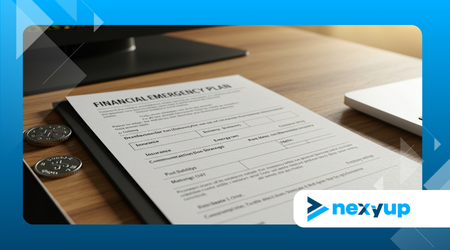
Tworzenie plan awaryjny na wypadek klęsk żywiołowych to nie tylko sprytne posunięcie – to kluczowy element ochrony długoterminowej stabilności. Kiedy nadchodzą powodzie, pożary, huragany czy trzęsienia ziemi, chaos nie ogranicza się do zniszczeń fizycznych.
Anúncios
Katastrofy często pozostawiają po sobie straty finansowe, po których odbudowa może trwać miesiące, a nawet lata.
Bez planu jesteś zmuszony podejmować ważne decyzje w panice – jak zdobyć pieniądze, pokryć koszty ewakuacji lub wymienić niezbędne rzeczy. W tej nagłej potrzebie wiele osób popada w długi, traci oszczędności lub napotyka opóźnienia w powrocie do zdrowia tylko dlatego, że nie byli przygotowani finansowo.
Solidny plan awaryjny zapewni Ci jasność w kryzysie. Gwarantuje, że Twoje finanse będą dostępne, Twoje najważniejsze rzeczy będą chronione, a Ty będziesz mógł skupić się na tym, co najważniejsze: swoim bezpieczeństwie i przyszłości.
Dlaczego potrzebujesz planu, zanim nadejdzie burza
Badanie Bankrate z 2025 r. wykazało, że 59% Amerykanów nie ma wystarczających oszczędności, aby pokryć nagły wydatek w wysokości $1000To pokazuje, jak ważne jest wcześniejsze przygotowanie się – bo gdy nadejdzie katastrofa, dostęp do gotówki nie będzie luksusem, lecz kołem ratunkowym.
Anúncios
Gdy nadchodzi katastrofa, jest już za późno, aby ocenić swoją sytuację finansową. W takich momentach stres, dezorientacja i strach mogą prowadzić do impulsywnych decyzji. Wcześniejsze przygotowanie finansowego planu awaryjnego daje jasność umysłu i pozwala działać spokojnie.
Pomyśl o swoim planie jak o projekcie: pokazuje on, gdzie znajdują się Twoje pieniądze, jak uzyskasz do nich dostęp, jakie rachunki należy opłacić priorytetowo i jak długo będziesz w stanie utrzymać gospodarstwo domowe, jeśli zabraknie Ci dochodów.
Większość ludzi zakłada, że ubezpieczenie lub pomoc rządowa pokryją wszystko. Jednak opóźnienia są częste, a ukryte koszty często się pojawiają. Prawda jest taka, że początkowe przetrwanie i stabilność zależą od osobistego przygotowania.
Przeczytaj także: Znaczenie planowania finansowego w przedsiębiorczości
Zacznij od funduszu awaryjnego, który naprawdę działa
Podstawą każdego planu awaryjnego jest rezerwa gotówkowa. Idealnie byłoby, gdyby udało Ci się zgromadzić od trzech do sześciu miesięcy wydatków na życie i mieć do nich łatwy dostęp. Jednak w przypadku klęsk żywiołowych nawet jeden miesiąc może mieć ogromne znaczenie.
Fundusz ten powinien być płynny — najlepiej na koncie oszczędnościowym o wysokim oprocentowaniu, oddzielonym od Twoich codziennych operacji bankowych.
Unikaj zamrażania tych pieniędzy w inwestycjach lub polegania na kartach kredytowych, które mogą być niedostępne lub ryzykowne w nagłych wypadkach. Jeśli w Twojej okolicy występują huragany, powodzie lub pożary, możesz nawet wypłacić część gotówki i bezpiecznie przechowywać ją w domu.
Posiadanie gotówki na benzynę, jedzenie lub tymczasowe schronienie może odmienić życie, gdy systemy bankowości cyfrowej przestają działać lub bankomaty są puste.
Digitalizuj i chroń swoje dokumenty finansowe
Katastrofy mogą zniszczyć nie tylko Twój dom – mogą również uniemożliwić Ci dostęp do ważnych dokumentów. Dlatego cyfrowe kopie zapasowe są koniecznością.
Skanuj i bezpiecznie przechowuj najważniejsze dokumenty, takie jak polisy ubezpieczeniowe, dowody osobiste, tytuły, karty ubezpieczenia społecznego i informacje o kontach bankowych w szyfrowanej pamięci masowej w chmurze.
Sporządź listę kontrolną tego, czego potrzebujesz, aby odbudować swoje życie, gdybyś stracił wszystko. Następnie pójdź o krok dalej i udostępnij dostęp zaufanemu krewnemu lub doradcy. Kopie papierowe można również umieścić w wodoodpornym, ognioodpornym pojemniku dla dodatkowej ochrony.
Chcesz móc złożyć wniosek, zweryfikować tożsamość i uzyskać dostęp do środków bez opóźnień. Uporządkowanie i utworzenie kopii zapasowej dokumentów może być najważniejszym krokiem, jaki podejmiesz.
Poznaj swoje ubezpieczenie i jego luki
Wiele osób zakłada, że są objęte ubezpieczeniem, ale za późno okazuje się, że ich polisa nie obejmuje szkód powodziowych lub że udział własny jest wyższy niż oczekiwano. Częścią Twojego planu finansowego na wypadek klęsk żywiołowych powinna być weryfikacja ubezpieczenia domu, najemcy, samochodu i ubezpieczenia zdrowotnego.
Zrozum różnicę między kosztem odtworzenia a rzeczywistą wartością gotówkową. Poznaj procedurę zgłaszania roszczeń i ramy czasowe.
Zadaj swojemu agentowi szczegółowe pytania dotyczące katastrof. Czy masz ubezpieczenie na tymczasowe zakwaterowanie? Co się stanie, jeśli utracisz dochód?
Im jaśniej określisz zakres swojego ubezpieczenia, tym szybciej będziesz mógł zareagować — i tym mniej niespodzianek spotka Cię podczas rekonwalescencji.
Skonfiguruj automatyczne alerty i redundancję kont
W chaosie ewakuacji lub działań ratunkowych łatwo stracić kontrolę nad rachunkami, subskrypcjami czy spłatami kredytów. Jedna nieopłacona płatność może skutkować karami lub utratą zdolności kredytowej, potęgując stres finansowy i tak już trudnej sytuacji.
Skonfiguruj automatyczne alerty o nadchodzących rachunkach i niskich saldach. Co więcej, zautomatyzuj płatności, jeśli to możliwe. Możesz również zwiększyć redundancję swojego systemu finansowego, łącząc zapasowe konto bankowe, korzystając z dodatkowej karty lub udzielając pełnomocnictwa, jeśli jesteś niezdolny do działania.
Technologia powinna działać na Twoją korzyść w czasie katastrofy, a nie przeciwko Tobie. Kilka minut na skonfigurowanie alertów i kopii zapasowych teraz może zapobiec bałaganowi w przyszłości.
Utwórz plan wydatków po katastrofie
Gdy bezpośrednie zagrożenie minie, zaczyna się podejmowanie decyzji finansowych. Koszty napraw. Roszczenia ubezpieczeniowe. Zakupy awaryjne. Nieobecności w pracy. Bez planu łatwo wydać za dużo lub zbyt szybko wydać oszczędności.
Przygotuj tymczasowy plan wydatków, który priorytetowo potraktuje podstawowe potrzeby: mieszkanie, żywność, transport i opiekę medyczną. Wstrzymaj się z wydatkami, które nie są niezbędne, i uważaj na oszustwa lub lichwiarzy, którzy polują na ofiary katastrof.
Śledź każdą złotówkę w tym okresie. Przejrzystość daje Ci władzę. Pozwala podejmować mądrzejsze decyzje, zwiększać zasoby i dostosowywać się do napływu wsparcia lub zwrotów kosztów.
Ostatnie myśli
Silny plan awaryjny na wypadek klęsk żywiołowych Nie opiera się na strachu. Opiera się na przewidywaniu. Chodzi o dawanie sobie możliwości, kontroli i odporności w chwilach, gdy wszystko inne wydaje się niepewne.
Nie musisz być bogaty, żeby się przygotować. Wystarczy zacząć. Nawet małe kroki – zaoszczędzenie kilkuset dolarów, zeskanowanie dowodu osobistego, sprawdzenie ubezpieczenia – mogą radykalnie zmienić Twój los.
Bo gdy nadejdzie katastrofa, twoje bezpieczeństwo fizyczne będzie zależało od natychmiastowego działania. Ale twoje przetrwanie finansowe? To zależy od pracy, którą wykonałeś, zanim nadciągnęły chmury.
Pytania dotyczące planowania finansowego w sytuacjach awaryjnych
Ile powinienem zaoszczędzić w funduszu awaryjnym na wypadek katastrof?
Idealnie, co najmniej na jeden do trzech miesięcy niezbędnych wydatków. Więcej, jeśli mieszkasz na obszarach wysokiego ryzyka.
Jakie dokumenty powinienem zdigitalizować i wykonać kopię zapasową?
Dowody tożsamości, polisy ubezpieczeniowe, dokumentacja medyczna, dane bankowe, tytuły własności i wszelkie dowody własności lub dochodów.
Czy gotówka nadal ma znaczenie w erze cyfrowej?
Zdecydowanie. Podczas katastrof przerwy w dostawie prądu i utrata połączenia z internetem mogą uniemożliwić korzystanie z bankowości cyfrowej.
Jak mogę dowiedzieć się, co naprawdę obejmuje moje ubezpieczenie?
Zadzwoń do swojego ubezpieczyciela i zapytaj o konkretne katastrofy, kwoty odliczeń i to, co jest wyłączone z zakresu ubezpieczenia.
Co jeśli nie mam teraz wystarczająco dużo pieniędzy na przygotowanie się?
Zacznij od małych kroków. Nawet $10–$20 tygodniowo się sumuje. Kluczem jest konsekwencja i priorytetyzacja kluczowych obszarów.
