
Jak ludzie byli zatrudniani w starożytności: retrospektywa rekrutacji
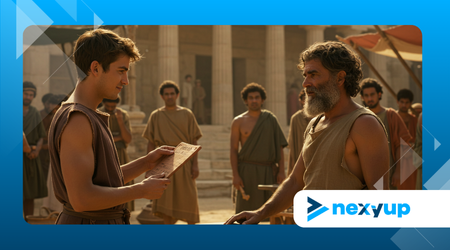
Sposób, w jaki ludzie byli zatrudniani w starożytności, może wydawać się odległy od naszej rzeczywistości, ale istota pozostaje ta sama: bycie wybranym ze względu na swoją wartość. Przed erą dokumentów i wywiadów społeczności opierały się na reputacji, zaufaniu i umiejętnościach. Systemy były inne, ale stawka była ludzka – i głęboko znajoma.
Anúncios
Zrównoważony rozwój, stanowiska i cyfrowe CV nie istniały – ale potrzeba bycia wybranym zawsze istniała. Zrozumienie, jak ludzie zdobywali zatrudnienie w starożytności, rzuca światło na korzenie współczesnej kultury pracy. Te wczesne formy rekrutacji ujawniają, jak zaufanie, reputacja i widoczność kształtowały możliwości na długo przed pojawieniem się papierkowej roboty i platform.
Zrozumienie, jak ludzie zdobywali zatrudnienie w starożytności, oferuje więcej niż tylko ciekawość historyczną. Pomaga nam dostrzec, jakie umiejętności były cenione przed erą kwalifikacji i algorytmów.
A w świecie, w którym rekrutacja znów się zmienia – kładąc nacisk na kompetencje interpersonalne, zdolność adaptacji i sieci kontaktów – warto zadać sobie pytanie: co wiedzieli już starożytni rekruterzy?
Praca we wczesnych cywilizacjach była kwestią bliskości, a nie papieru
Tysiące lat przed powstaniem LinkedIn, pracę znajdowano poprzez bliskość. W małych społecznościach ludzie nie potrzebowali listów motywacyjnych – potrzebowali widoczności. Byłeś zatrudniany, bo ktoś cię zobaczył, znał twoją rodzinę lub rozpoznał twoje dłonie z ostatnich zbiorów.
Anúncios
W Mezopotamii niektóre z najwcześniejszych odnotowanych form zatrudnienia były związane z gospodarką świątynną. Robotnicy budowali kanały, zbierali zboże i opiekowali się zwierzętami gospodarskimi pod nadzorem kapłanów.
Zadania dokumentowano na glinianych tabliczkach, nie po to, by selekcjonować kandydatów, lecz by śledzić ich wkład. Reputacja rozprzestrzeniała się poprzez słowo, a nie stronę internetową.
Egipcjanie często przydzielali pracę ze względu na klasę społeczną. Wykwalifikowani rzemieślnicy pracowali przy grobowcach królewskich, ponieważ należeli do dziedzicznych cechów. Urodzenie się w rodzinie budowniczego często decydowało o karierze. Nie chodziło o zasługi, a o utrzymanie budowli.
Mimo to umiejętności miały znaczenie. Rzeźbiarze i malarze, którzy osiągnęli sukces, mogli zarobić dodatkowe zboże lub lepsze zakwaterowanie.
Ta analogia jest niemal instynktowna. Wyobraź sobie dzisiejszy rynek pracy, który opiera się wyłącznie na przysługach i szeptach – gdzie twoje szanse wynikały z bycia we właściwym miejscu, z właściwymi ludźmi i z wystarczających dowodów na to, że niczego nie zepsujesz. Tak właśnie wyglądała rekrutacja w starożytności.
Przeczytaj także: Jak korzystać z serwisu LinkedIn do wyszukiwania i aplikowania na oferty pracy

Wojsko, religia i praca jako bramy do możliwości
W wielu społeczeństwach najlepszym sposobem na zdobycie pracy nie było proszenie o nią, lecz służenie. Rekrutacja do wojska pełniła funkcję zarówno oferty pracy, jak i dźwigni społecznej.
W Rzymie zaciąg wiązał się z obietnicą stałego wynagrodzenia, mieszkania i wyżywienia – świadczeń rzadko gwarantowanych gdzie indziej. Po latach służby żołnierz mógł otrzymać ziemię lub obywatelstwo.
Podobnie, instytucje religijne oferowały ustrukturyzowane ścieżki kariery. Świątynie kształciły skrybów, uzdrowicieli i astronomów.
Wstęp nie zawsze był uzależniony od pochodzenia – pobożność, dyscyplina i podstawowa umiejętność czytania i pisania mogły zapewnić dostęp. Na przykład w starożytnych Indiach uczniowie mogli dołączyć do gurukul – ośrodków nauki prowadzonych przez nauczycieli duchowych – i zostać doradcami lub nauczycielami.
Niektóre formy zatrudnienia miały charakter sezonowy. W gospodarkach agrarnych, siła robocza była mobilizowana wokół sadzenia i zbiorów. Właściciele ziemscy wzywali pracowników, często poprzez wspólne rytuały lub święta.
Zapłatą było zboże, schronienie lub działki ziemi. W niektórych częściach Afryki i Ameryki Południowej praca społeczna była organizowana w oparciu o więzy pokrewieństwa – ludzie pomagali sobie nawzajem, kierując się niepisaną zasadą wzajemnego odwdzięczania się.
Powstała sieć nieformalnych umów. Oczekiwania były jasne, choć niespisane. Jeśli ciężko pracowałeś, pamiętano cię. Jeśli nie, wieść rozchodziła się szybciej, niż byłeś w stanie znaleźć nową ziemię do uprawy.
Narzędzia, talent i zaufanie w procesie rekrutacji przed rewolucją przemysłową
Przed powstaniem fabryk i fabryk przed powstaniem fabryk, rzemiosło było ostatecznym dowodem na zatrudnienie. Narzędzia stały się przedłużeniem tożsamości. Młot kowalski, krosno tkackie, dłuto rzeźbiarskie – każde narzędzie opowiadało historię o osobie, która je trzymała.
W starożytnej Grecji miasta-państwa potrzebowały architektów, garncarzy, murarzy i nauczycieli. Często osoby te były zatrudniane w ramach mecenatu.
Zamożna rodzina lub lokalna rada finansowała projekt, a nazwiska mistrzów przechodziły z ucznia na mistrza i z powrotem. Umiejętności weryfikowano poprzez wykonaną pracę, a nie zdobyte stopnie naukowe.
To samo powtarzało się na wszystkich kontynentach. W cywilizacjach prekolumbijskich utalentowane jednostki często dostrzegano wcześnie. Dziewczynę, która dobrze haftowała, kierowano do kolektywów włókienniczych. Chłopiec, który precyzyjnie rzeźbił figurki, był kierowany do pracy ceremonialnej.
Rekrutacja opierała się na obecności, demonstracjach i trwałych relacjach. Kiedy ludzie mówią „liczy się to, kogo znasz”, powtarzają system, który wyprzedził papierkową robotę o tysiąclecia.
5 realiów zdobywania pracy w starożytności
Zatrudnienie było publiczne, a nie prywatne
Okazje często pojawiały się podczas spotkań towarzyskich, dni targowych lub wydarzeń świątynnych. Widoczność była ważniejsza niż praktyczne zastosowanie.
Umiejętności były przekazywane, a nie wymieniane
Większość zawodów była dziedziczona lub nabywana poprzez praktykę. Zawód twojego ojca prawdopodobnie był twoją ścieżką. Nauka odbywała się poprzez powtarzanie, a nie poprzez sylabusy.
Płatność przybierała wiele form
Zapłata nie zawsze była monetą. Jedzenie, ubrania i mieszkanie były powszechne. Nawet małżeństwa były aranżowane jako rekompensata lub sojusz.
Zaufanie było główną walutą
Jeśli rolnik za ciebie poręczył, drzwi się otworzyły. Jeśli zdradziłeś zaufanie, odbudowa reputacji mogła zająć pokolenia.
Status może się zmienić poprzez lojalność
Lojalność wobec władcy, świątyni lub mistrza mogła prowadzić do przywilejów – ziemi, edukacji lub formalnych ról. Niektórzy pięli się po szczeblach drabiny społecznej dzięki latom cichej służby.
Wniosek
Przyjrzenie się temu, jak ludzie byli zatrudniani w starożytności, ujawnia coś zaskakująco znajomego. Chociaż systemy się zmieniły, sedno rekrutacji pozostało takie samo. Nadal chodzi o zaufanie, transparentność i wkład. Dziś kwalifikacje mogą być na papierze, ale wtedy były wyryte w pamięci.
W świecie coraz bardziej skoncentrowanym na automatyzacji, przypomnienie sobie, jak ludzie kiedyś wywalczyli sobie miejsce, pomaga nam na nowo przemyśleć, czym może stać się rekrutacja. Może nie chodzi o powrót do przeszłości, ale o przywrócenie jej jasności, uczciwości i relacji w tym procesie.
Bo ostatecznie zatrudnienie zawsze oznaczało jedno: ktoś dostrzegł twoją wartość i powiedział: „Przyjdź. Potrzebujemy cię”.
FAQ – Jak ludzie zdobywali zatrudnienie w starożytności
1. Czy w starożytności istniały formalne rozmowy kwalifikacyjne?
Nie w dzisiejszym rozumieniu. Ludzi obserwowano, rekomendowano lub wzywano na podstawie reputacji i pozycji w społeczności.
2. Czy ludzie łatwo zmieniali karierę?
Rzadko. Większość ról była związana z rodziną, klasą społeczną lub lokalnymi potrzebami. Ale talent lub służba mogły czasami otwierać nowe ścieżki.
3. W jaki sposób ktoś udowodnił swoje umiejętności?
Poprzez widoczną pracę, praktyki lub rekomendacje od zaufanych członków społeczności.
4. Czy w gospodarkach starożytnych zatrudniano kobiety?
Tak, choć często w rolach takich jak tkactwo, produkcja żywności czy leczenie. Niektóre kultury pozwalały na większą mobilność niż inne.
5. Czy starożytne społeczeństwa miały życiorysy lub dokumentację?
Istniały wprawdzie zapisy, takie jak wykazy wykonanych prac na glinianych tabliczkach, ale ważniejsze od formalnych dokumentów były osobiste interakcje.
Meta opis: Dowiedz się, jak ludzie byli zatrudniani w starożytności i co to mówi o umiejętnościach, zaufaniu i więziach w historii ludzkości.
