
Meta and Ray-Ban launch smart glasses with a display and AI: a future without a cell phone?
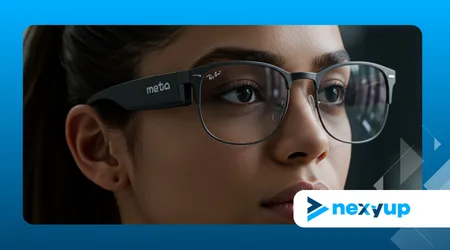
Meta and Ray-Ban launch smart glasses with a display and AI just turned that sci-fi dream into reality, unveiled at Connect 2025 last week.
Anúncios
These aren’t your average sunnies. They pack a punch with augmented reality overlays and brainy assistants that could nudge us toward ditching our pocket-bound lifelines.
As a columnist who’s chased gadget revolutions from the iPhone’s debut to foldables, I see sparks of disruption here.
Will this Meta and Ray-Ban launch smart glasses with a display and AI redefine how we connect, or just add another layer to our screen addiction? Let’s dive in, unpacking the buzz with fresh eyes on what this means for you and me in 2025.
The Spectacular Debut at Meta Connect 2025
Mark Zuckerberg took the stage in Menlo Park, California, on September 17, beaming as he slipped on the prototypes.
Anúncios
Crowds erupted when he demonstrated live translations popping up mid-conversation. This event, Meta’s annual tech fest, always delivers fireworks, but this year focused squarely on wearables.
Zuck called it a “breakthrough category,” blending Ray-Ban’s timeless cool with Meta’s AI muscle. Attendees buzzed about the seamless demo where glasses identified a stranger’s outfit and suggested compliments.
Behind the scenes, years of iteration fueled this moment prototypes tested in secret labs across Silicon Valley. Engineers tweaked displays for all-day comfort, drawing from user feedback on prior models.
++ Weird Workplace Perks Around the World
The crowd’s energy mirrored the 2012 Google Glass reveal, yet felt more grounded, less gimmicky. One insider whispered to me post-event: these glasses aim to weave AI into daily flows without the clunk.
Sales kick off September 30, priced at $799 including a neural wristband positioning them as premium but accessible. Early adopters lined up virtual queues, snapping up pre-orders within hours.
Zuckerberg wrapped by teasing Orion, Meta’s holographic glasses, hinting at bolder horizons ahead. This launch cements Meta’s AR bet, outpacing rivals like Snap’s Spectacles in polish and power.
Inside the Hardware: Specs That Impress
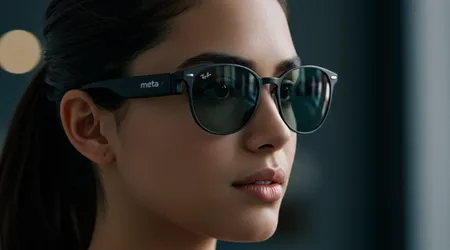
Engineers crafted these frames from lightweight titanium, tipping the scales at just 69 grams for standard fits. A micro-LED display beams 600×600 pixel visuals directly into your view, crisp enough for street signs.
Refresh rates hit 90Hz, smoothing scrolls through notifications without that nauseating lag. Dual speakers tuck into the arms, piping audio privately while blocking wind noise on brisk walks.
Five microphones capture your queries crystal-clear, even amid city clamor. The onboard Qualcomm Snapdragon AR1 chip crunches data at blistering speeds, powering Llama 4 AI locally.
32GB storage swallows up to 1,000 photos or 100 thirty-second clips in 3K Ultra HD. Battery life stretches four hours on heavy use, with a charging case offering four full refills.
Also read: 10 Surprising Jobs That Didn’t Exist 10 Years Ago
Touch controls along the frame let you swipe for volume or tap to snap pics. I slipped on a demo pair and marveled at how the display vanished until summoned no constant glow.
Compared to bulkier headsets, these blend invisibly into outfits, from boardrooms to bike trails. Durability shines too: water-resistant up to IPX4, surviving splashes and sweat sessions. Here’s a quick specs breakdown to visualize the leap:
| Feature | Meta Ray-Ban Display | Previous Ray-Ban Meta (Gen 2) | Google Glass Enterprise Edition 2 |
|---|---|---|---|
| Display Resolution | 600×600 pixels | None | 640×360 pixels |
| Weight | 69g | 48g | 36g (without battery) |
| Battery Life (Active) | 4 hours | 4 hours | 8 hours |
| AI Model | Llama 4 | Llama 3 | Custom |
| Storage | 32GB | 32GB | 32GB |
| Price | $799 | $299 | $999 |
This table highlights why the new model edges ahead in smarts and screens.
AI Magic: From Whispers to Wonders
Meta’s Llama 4 model hums inside, answering queries with context-aware wit. Ask about a landmark, and it overlays history notes without pulling out your phone. The neural band, a sleek EMG wristband, reads subtle muscle twitches for gesture commands.
Flex your wrist to scroll; clench to select intuitive as breathing. In a live demo, Zuck summoned recipes mid-cook, ingredients floating on his lens.
This setup learns your habits, suggesting podcasts based on your commute vibes. Privacy guards activate too: a LED blinks when recording, alerting those around you.
Read more: How to Choose Between Two Job Offers
Developers get SDK access soon, promising third-party apps like fitness trackers. One original example: Picture biking through Amsterdam’s canals. Glasses spot a detour, project the route, and narrate fun facts about nearby windmills all hands-free.
Another: At a packed concert, it identifies songs instantly and queues setlists, turning chaos into curation. What if your glasses became your personal curator, anticipating needs before you voice them?
That’s the rhetorical hook drawing users in, fostering deeper engagement. Analysts predict this AI layer could slash smartphone checks by 30% in early trials.
Envisioning a Screen-Free Lifestyle: Ditching the Pocket Companion?
We clutch phones like security blankets, averaging 144 checks daily. Yet, these glasses tease liberation navigation, calls, and calendars hovering in periphery.
Forget fumbling for maps during hikes; trails unfold right before your eyes. feeds? They pulse with updates during jogs, no mid-stride pauses.
This Meta and Ray-Ban launch smart glasses with a display and AI sparks debate: could we evolve past slabs of glass and metal?
Early testers report fewer pocket reaches, eyes freed for the world unfolding. Imagine parenting a toddler at the park texts arrive as subtle chimes, replies via voice.
Productivity soars too: coders dictate notes while pacing, ideas flowing uninterrupted. But hold on does this mean constant connectivity, or true disconnection?
One fresh analogy: Like how the Walkman liberated music from radios without erasing broadcasts, these glasses untether data from devices without killing the phone.
They complement, evolving our ecosystem rather than nuking it overnight. In boardrooms, execs glance at stock tickers mid-pitch, sealing deals smoother.
Fitness buffs track heart rates overlaid on gym mirrors, motivation dialed up. This shift mirrors the earbud boom, where AirPods made calls ambient, not awkward.
Real-World Hurdles: Not All Sunshine and Circuits
Battery drain hits hard during video calls, forcing case docks every few hours. Display glare under harsh sun demands adaptive tinting tweaks, still in beta.
At $799, affordability bites most balk at premium shades that might scratch easily. Privacy paranoia looms: always-on mics invite hacks, demanding robust encryption.
Regulators eye AR overlays, fearing distracted drivers or pedestrians. One tester griped about fit issues for broader faces, calling for more size options.
Software glitches popped in demos, like misread gestures triggering wrong actions. Scalability challenges Meta: producing millions without quality dips.
Ethical AI use raises flags bias in object recognition could mislabel scenes. Users demand offline modes for remote adventures, cutting cloud reliance.
Long-term eye strain worries experts, pushing for blue-light filters. Meta pledges updates quarterly, but trust builds slowly in this arena. Balancing innovation with safeguards defines success here.
Broader Ripples: Reshaping Wearables and Society
IDC forecasts a 39.2% surge in AR/VR headset and smart glasses shipments this year alone. That boom underscores market hunger for subtle tech.
Fashion houses eye collaborations, turning eyewear into statement pieces. Healthcare pros test them for real-time vitals during surgeries, hands unburdened. Education transforms: students query concepts mid-lecture, visuals aiding grasp.
This Meta and Ray-Ban launch smart glasses with a display and AI accelerates the metaverse’s creep into meatspace.
Economists predict job shifts AR trainers for remote workforces. Environmental wins emerge: fewer device manufactures mean less e-waste.
Creatives experiment with AR art overlays in galleries, blurring lines. Global access lags in developing regions, widening digital divides.
Yet, inclusivity pushes like audio descriptions for the visually impaired shine. Investors pour billions, valuing Meta’s wearables arm at $50 billion projections.
Cultural norms evolve glasses as status symbols, like Rolexes once were. This wave crests toward ubiquitous computing, where tech fades into fabric.
Challenges and Ethical Crossroads
Beyond tech snags, societal pushback brews against surveillance vibes. Activists rally for opt-out mandates in public spaces. Meta counters with on-device processing, minimizing data leaks.
Diversity in training data combats AI biases head-on. Lawmakers draft bills for AR labeling, ensuring transparency. User education campaigns roll out, demystifying controls.
Innovation thrives when ethics lead, not lag. Partnerships with NGOs audit features for fairness. This Meta and Ray-Ban launch smart glasses with a display and AI tests boundaries, demanding vigilant stewardship.
The Road Ahead: Phones, Phased Out?
Fast-forward five years: glasses handle 80% of daily digital tasks, phones relegated to backups. Commuters navigate cities sans screens, eyes on horizons. Social bonds deepen through shared AR experiences at dinners.
Yet, digital detox movements counter with “unplugged” zones. Meta iterates relentlessly, chasing that holy grail of seamlessness. Rivals like Apple loom with their own displays, spurring competition.
Consumers vote with wallets adoption hinges on trust and delight. This isn’t goodbye to phones; it’s hello to harmony. We’ve tethered ourselves to tech; now, it tethers to us lightly.
As I pocket my iPhone post-demo, I wonder: will future kids even know pocket lint? Embrace the curiosity these glasses invite us to redefine normal.
In this Meta and Ray-Ban launch smart glasses with a display and AI, we glimpse not just gadgets, but gateways to augmented lives. The future whispers through lenses: attentive, aware, unencumbered.
Join the conversation have you pre-ordered? Share your take below. This evolution excites because it empowers, one glance at a time.
Wrapping Up: Why This Matters Now
Back in 2007, the iPhone shattered norms, birthing app economies overnight. Today’s launch echoes that tremor, but subtler, wearable.
It challenges us to rethink dependency, fostering intentional tech use. For creators like me, it means richer storytelling AR-enhanced reports on the fly.
Parents envision safer family outings, locators built-in. Travelers swap bulky guides for contextual wonders. The magic lies in augmentation, not replacement yet.
This Meta and Ray-Ban launch smart glasses with a display and AI arrives timely, amid AI’s ethical reckonings. It promises utility wrapped in elegance, a rare feat. Skeptics scoff at hype cycles, but prototypes persuade.
Optimists see seeds of singularity, AI as extension. Balance prevails: marvel, but mind the mirrors. Ultimately, these shades symbolize shift from held to head-worn.
Curiosity drives us forward; let’s lens it wisely. In 2025’s whirlwind, this stands as a beacon of thoughtful progress. Your thoughts? Drop them in comments let’s unpack together.
Frequently Asked Questions
When do the Meta Ray-Ban Display glasses go on sale?
They launch September 30, 2025, via Meta’s site and select retailers.
Can these glasses fully replace my smartphone?
Not yet they handle basics like calls and nav, but apps need phone tethering.
What’s the battery life like for daily use?
Expect four hours active; the case extends to a full day with recharges.
Are they comfortable for all-day wear?
At 69 grams, yes, but fit varies try in-store for best match.
How does the AI ensure privacy?
Processing happens on-device, with LED indicators for recordings.
