
Why Walk-In Interviews Still Matter in Competitive Job Markets
Walk-in interviews offer job seekers an unprecedented opportunity to bypass standard digital screening algorithms and present their qualifications directly to hiring managers.
Anúncios
In today’s aggressive corporate ecosystem, thousands of resumes get discarded daily by automated hiring software before human recruiters even glimpse a single credential.
Face-to-face recruitment events bridge this glaring digital gap by restoring real human connection to talent acquisition strategies across multiple industries.
Candidates who take the initiative to attend these open recruitment sessions instantly stand out from passive online applicants who rely solely on single-click job submissions.
Have you ever wondered why top companies continue spending thousands of dollars setting up physical recruitment events when digital job portals already exist?
Anúncios
Quick Navigation Guide
- Understanding the Recruitment Landscape: What makes direct recruitment events so powerful today?
- Core Operational Mechanics: How do open hiring events actually function behind closed doors?
- Strategic Applicant Benefits: Why should active job seekers prioritize in-person interview sessions?
- Modern Talent Acquisition Metrics: Comparing traditional recruitment avenues with open interview sessions.
- Maximizing Event Outcomes: How can candidates secure immediate job offers during walk-in sessions?
- Future Outlook and Strategy: What lies ahead for face-to-face recruitment tactics in corporate markets?
- Frequently Asked Questions: Clear answers to common career concerns regarding open interviews.
What Makes Direct Recruitment Events So Powerful Today?
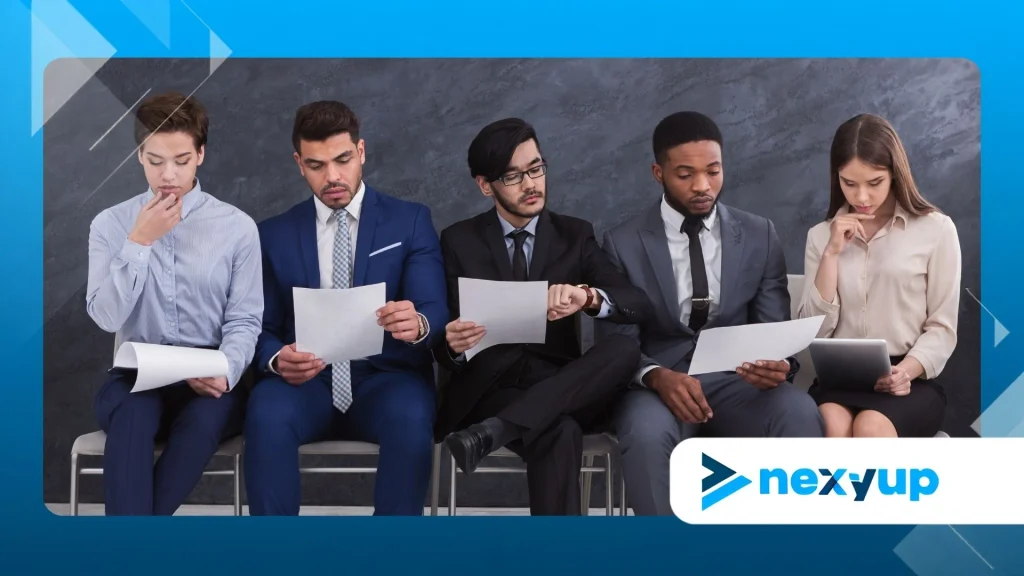
How Do Physical Hiring Events Bypass Digital Gatekeepers?
Automated tracking systems frequently filter out highly qualified professionals simply because their resumes lack arbitrary keywords or specific formatting styles.
Open hiring drives completely eliminate these mechanical barriers by allowing candidates to explain their career achievements directly to decision-makers.
When recruiters conduct face-to-face interactions, soft skills, communication clarity, and personal enthusiasm immediately shine through in ways static PDF files can never replicate.
Corporate recruiters heavily rely on these events to evaluate culture fit in real time without waiting weeks for preliminary phone screens.
A candidate’s professional presence, confidence, and interpersonal poise become obvious within the first thirty seconds of interaction.
By meeting recruiters face-to-face, candidates effectively convert a cold application into an active candidate pipeline.
++ How Career Mobility Creates More Job Opportunities
Why Are Top Employers Returning to On-Site Selection Methods?
Employers face tremendous financial pressure when key operational positions remain vacant for extended periods due to slow digital hiring funnels.
Hosting walk-in interviews allows talent acquisition teams to screen hundreds of candidates within a single day and accelerate hiring decisions.
This speed dramatically reduces cost-per-hire metrics while simultaneously filling urgent operational gaps with capable personnel.
Furthermore, physical meetings significantly lower ghosting rates, a persistent issue currently plaguing virtual recruitment processes worldwide.
According to recent talent acquisition benchmarks from the Society for Human Resource Management (SHRM), traditional multi-stage hiring processes now average over 40 days to fill a single position, prompting competitive firms to utilize rapid in-person selection methods.
Employers gain immediate clarity on candidate availability, salary expectations, and mutual interest through direct conversation.
How Do Open Hiring Events Actually Function Behind Closed Doors?

What Happens During an On-Site Screening Process?
The mechanics of open recruitment sessions follow a streamlined operational workflow designed for rapid candidate evaluation and sorting.
Applicants arrive at designated venues, submit their printed physical credentials, and receive queue numbers for brief preliminary screening conversations.
Hiring managers quickly assess core qualifications, technical background, and immediate availability before deciding whether to advance candidates to secondary technical rounds.
Secondary interviews often take place immediately on site within adjacent conference rooms or dedicated discussion booths.
This rapid progression allows outstanding candidates to complete multiple evaluation stages within a couple of hours rather than spreading interviews across several agonizing weeks.
The entire environment operates much like a high-speed trading floor where talent meets immediate organizational demand.
Also read: Why Global Job Vacancies Are Increasing Competition
How Should Candidates Prepare for Rapid Evaluation Rounds?
Preparation for on-site recruitment requires a distinctly different tactical approach compared to preparing for traditional scheduled video calls.
Candidates must bring multiple tailored copies of their resume, personal identification, professional references, and a well-rehearsed elevator pitch.
Practicing a concise 60-second summary highlighting key professional achievements ensures applicants articulate their core value proposition effectively under tight time constraints.
Professional dress, crisp body language, and focused eye contact remain critical elements during these high-speed assessment rounds.
Applicants who research the host company beforehand can reference specific corporate milestones or project goals during their brief presentation windows.
Walk-in interviews reward well-prepared professionals who combine personal charisma with verifiable operational accomplishments.
Why Should Active Job Seekers Prioritize In-Person Interview Sessions?
How Do Face-to-Face Meetings Accelerate Career Advancement?
Job seekers frequently spend months submitting online applications into digital voids without receiving a single response or meaningful feedback.
Attending physical recruitment drives guarantees direct exposure to hiring managers, providing immediate feedback on application status and qualification fit.
Even if an immediate job offer does not materialize, applicants gain valuable networking connections and direct insight into market expectations.
Direct human interaction allows candidates to address potential resume red flags such as employment gaps or non-traditional career transitions with nuance and context.
In a standard digital database, these anomalies often trigger automated rejections without human review. In-person conversations empower job seekers to explain their unique professional journeys convincingly and professionally.
Read more: Why Contract-to-Hire Jobs Are Rising in 2026
What Advantages Do In-Person Candidate Evaluations Offer Employers?
Employers gain a comprehensive view of candidate capabilities that static resumes simply cannot communicate during initial digital reviews.
Soft skills like emotional intelligence, adaptability, professional charm, and stress management display naturally during live face-to-face interactions.
These human attributes frequently prove far more predictive of long-term workplace success than technical credentials alone.
Additionally, hosting walk-in interviews builds strong regional employer branding by demonstrating local commitment and accessible corporate leadership.
Candidates walk away with a positive, tangible impression of the company’s culture regardless of hiring outcomes. This direct community engagement fosters long-term talent pipelines and enhances local market reputation significantly.
Comparing Recruitment Channels: Traditional vs. Open Hiring Events
The following table highlights the core operational distinctions between traditional online recruitment pipelines and open face-to-face hiring events:
| Recruitment Metric / Feature | Traditional Online Job Boards | Open Walk-In Interview Events |
| Average Time-to-Hire | 30 to 45 Days | 1 to 5 Days |
| Initial Screening Method | Automated Software / Algorithms | Human Recruiters / Hiring Managers |
| Candidate Response Rate | Below 10% Average | 100% Direct Interaction |
| Evaluation Focus | Keywords and Technical Formatting | Personality, Soft Skills, and Culture Fit |
| Applicant Ghosting Risk | Exceptionally High | Minimal |
Maximizing Strategic Outcomes: How to Secure Immediate Job Offers
How Can Candidates Stand Out in Crowded Event Venues?
Standing out in a venue packed with hundreds of eager applicants requires strategic planning, clear focus, and disciplined execution.
Arriving early allows candidates to secure optimal queue positions and engage recruiters when energy levels and focus remain highest.
Maintaining an approachable, calm, and professional demeanor throughout long waiting periods also demonstrates emotional resilience to observing staff members.
Engaging thoughtfully with fellow applicants and venue facilitators creates a positive impression that often reaches decision-makers behind the scenes.
Bringing clear work samples, a printed portfolio, or a concise one-page achievement summary helps anchor the conversation around proven results.
Walk-in interviews reward proactive individuals who project executive confidence while remaining organized under pressure.
What Post-Event Tactics Ensure Long-Term Professional Conversion?
Securing a successful outcome from an open recruitment event requires consistent follow-up long after the physical venue closes its doors.
Collecting business cards or direct contact information from every recruiter encountered during the event remains an essential post-interview step.
Sending personalized follow-up emails within 24 hours reinforces applicant interest and keeps your candidacy top-of-mind.
In your follow-up message, reference specific details discussed during your brief on-site conversation to trigger recruiter memory effectively.
Reiterate how your unique skills align directly with the operational priorities mentioned during the initial screening round.
This disciplined professional follow-through sets exceptional candidates apart from the majority of applicants who simply wait passively for updates.
The Resurgent Future of Face-to-Face Talent Acquisition
Modern talent acquisition continues to evolve as companies recognize the severe limitations of relying exclusively on automated hiring tools.
While artificial intelligence streamlines initial data organization, it frequently misses the nuanced human qualities that define outstanding organizational leaders and team players.
Open recruitment events restore balance to global hiring ecosystems by combining operational efficiency with genuine human evaluation.
As corporate competition intensifies across global markets, organizations that prioritize human-centered recruitment strategies will consistently secure top talent faster than competitors trapped in slow digital pipelines.
For job seekers, mastering the art of the physical interview remains one of the most powerful, actionable career strategies available today.
Embracing these direct opportunities empowers ambitious professionals to take control of their career trajectories, forge authentic professional relationships, and secure valuable roles in record time.
What personal strategies have helped you stand out when meeting recruiters face-to-face at career events? Share your thoughts and experiences in the comments section below to join the conversation!
Frequently Asked Questions
Are walk-in interviews suitable for senior executive roles?
While open recruitment events primarily target entry-level, mid-level, customer-facing, and operational positions, executive-level networking drives frequently adopt similar formats.
Senior professionals can utilize targeted open hiring events to connect directly with corporate directors, establish executive contacts, and initiate high-level career discussions without traditional recruiter delays.
How early should an applicant arrive at an open hiring event?
Arriving 30 to 45 minutes before the officially scheduled start time allows candidates to complete registration paperwork comfortably, survey the venue layout, and secure an early spot in candidate queues.
Early arrival also signals exceptional punctuality, professional commitment, and strong time-management skills to talent acquisition teams.
What should candidates wear to an unscheduled recruitment drive?
Candidates should dress in business professional or high-end business casual attire appropriate for the specific industry hosting the event.
Clean grooming, tailored clothing, and polished footwear immediately project executive professionalism and respect for the company’s hiring process.
Can candidates attend an event if they lack exact position requirements?
Yes, candidates with transferable skills or adjacent professional backgrounds should definitely attend open hiring events.
Direct face-to-face interaction provides a unique platform to articulate how related experiences, quick learning capabilities, and strong motivation offset minor gaps in formal technical requirements.
How many copies of a resume should an applicant bring to a walk-in interview?
Applicants should carry at least 5 to 10 updated, printed copies of their resume on clean paper stock.
Having extra copies ensures candidates can comfortably supply credentials to multiple interviewers, panel members, talent acquisition specialists, or unexpected prospective employers present at the venue.
